
Case Study
72% of Individuals Carry Non-Self DNA Under Their Fingernails From Everyday Activity
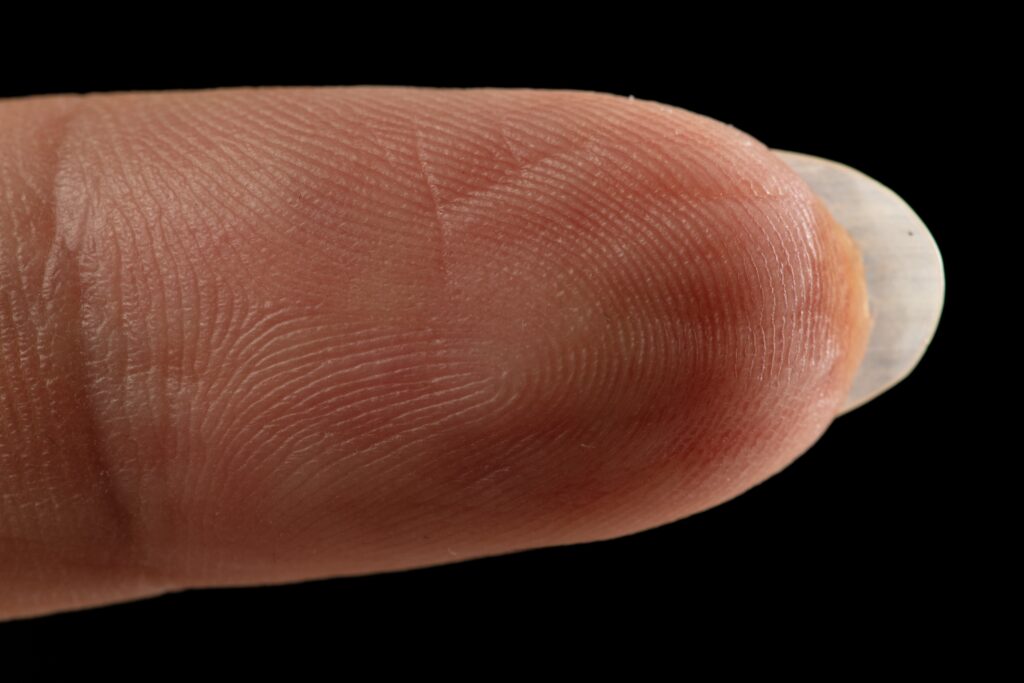
A new peer-reviewed study finds that foreign DNA under fingernails is a routine feature of everyday life. This may have direct implications for how this evidence is presented and challenged in court. For years, prosecutors have placed considerable weight on DNA found beneath a complainant’s or defendant’s fingernails as evidence of physical struggle or direct…
Read MoreThe Independence Problem in Forensic Science

Forensic science is often presented in court as neutral, objective, and immune from influence. But is it truly independent? Forensic science has long been presented in court as a pillar of objective, scientific truth. Yet a recent editorial published in Forensic Science International: Synergy highlights a growing crisis in forensic independence that should alert every…
Read MoreTransfer and Contamination in Sexual Assault Matters
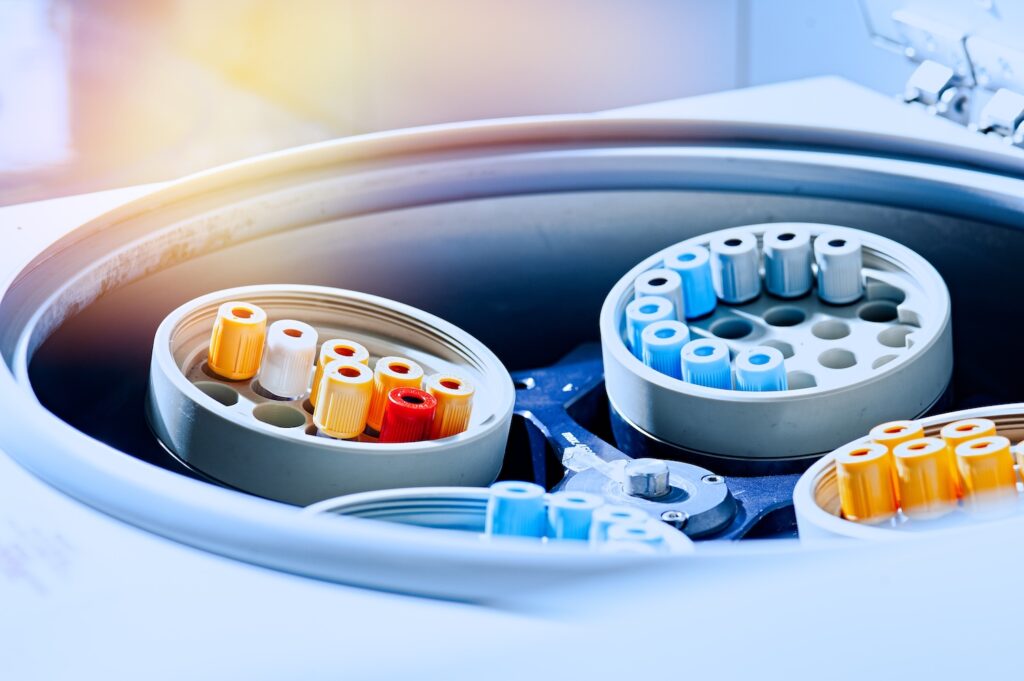
The complexities of DNA in sexual assaults. Transfer, contamination, and missing analyses can drastically alter the weight of DNA evidence. Following my presentation to LegalWise Seminars last week, I thought it was timely to reinforce this presentation and re-visit some of the complexities of forensic biology evidence in sexual assaults. Forensic DNA and biological evidence…
Read MoreWhen Procedure Lags Technology: Why DNA Sensitivity Demands New Defence Strategies
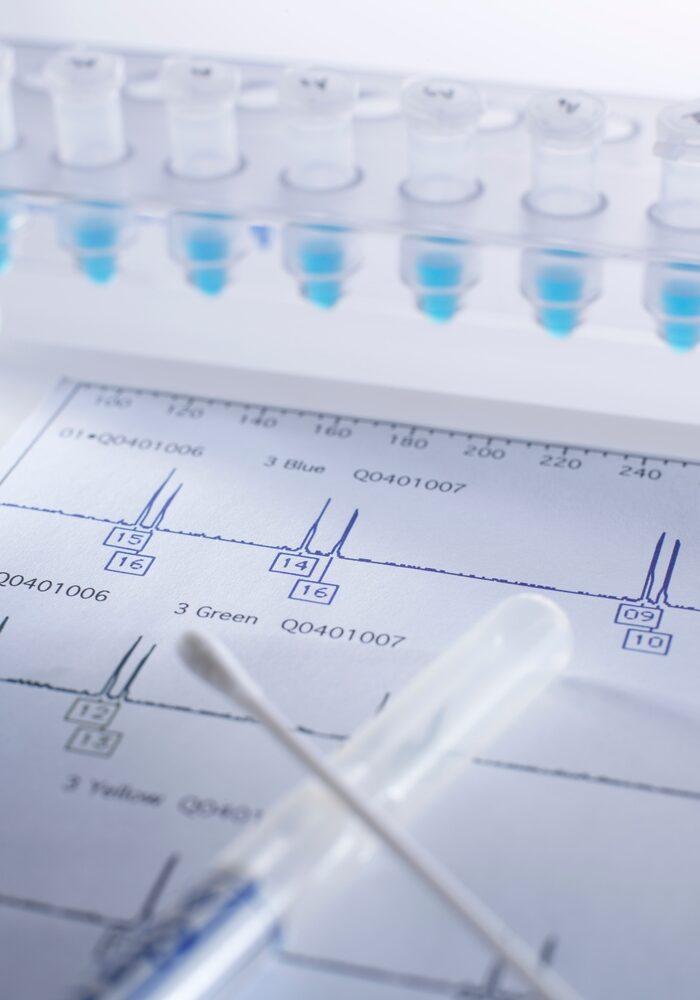
Modern DNA profiling can generate a full profile from only a few cells. That sensitivity is scientifically brilliant but is also legally dangerous. If there is any plausible route by which an innocent person’s DNA could have been deposited or moved — investigator handling, packaging, laboratory contamination — that possibility cannot simply be dismissed. Recent…
Read MoreBefore You Rely on the DNA: Five Critical Issues for 2026
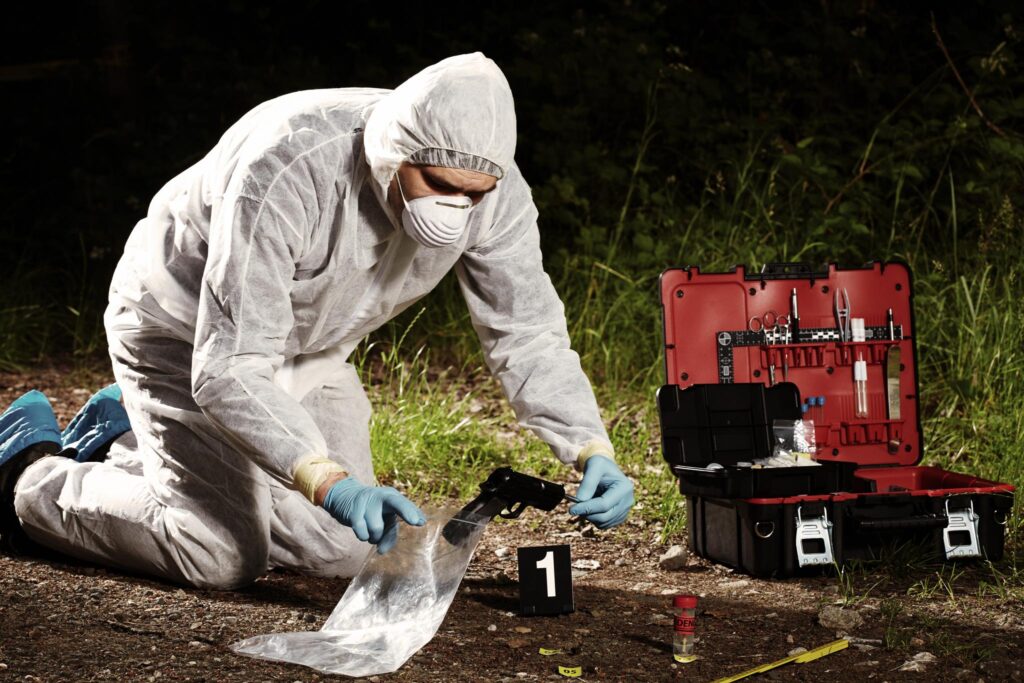
Modern forensic science is powerful, but its limitations matter more than ever. DNA and forensic evidence can be compelling, but only when it is properly collected, analysed, interpreted and reported. As forensic science becomes increasingly sensitive and complex, the risks of overstatement, misinterpretation, and evidential overreach increase. Below are the top five forensic DNA issues…
Read MoreWhat is an Independent Forensic Review, and Why Defence Lawyers Need One
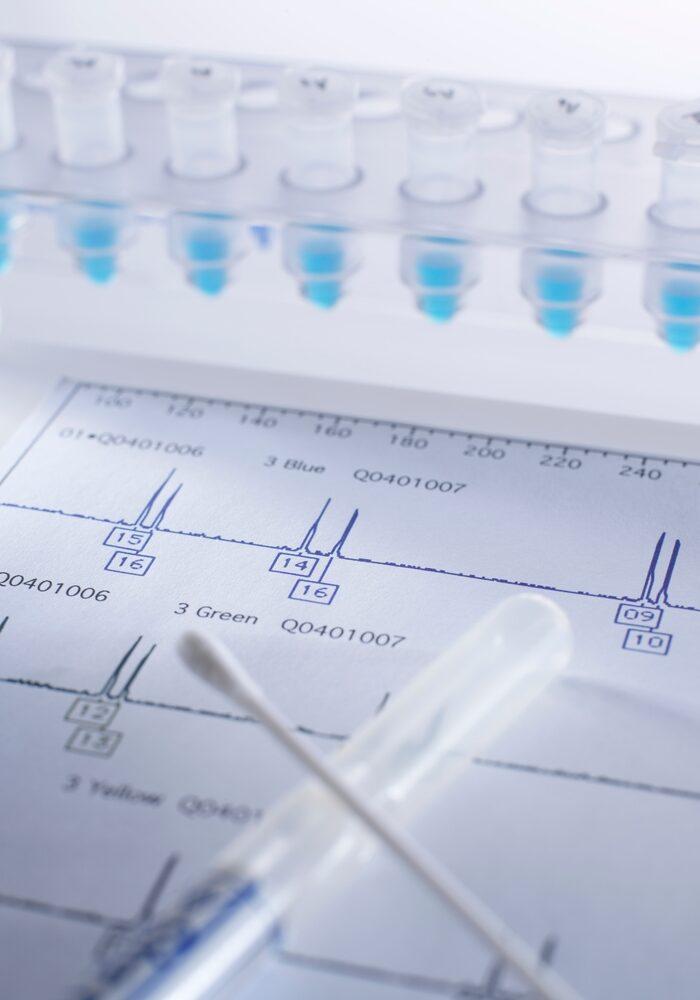
When the Science Needs a Second Opinion Forensic evidence can appear definitive — especially when it comes in the form of a laboratory report from a State forensic service provider. Published studies have indicated that juries and judges perceive reports from State Services providers as highly reliable, even when the content contained in the report…
Read MoreR v Umatia – Appeal granted despite the limitations to forensic evidence being disclosed.

Case Background Mr Umatia was initially convicted of two counts of sexual assault and one count of rape following an allegation that he picked up the intoxicated complainant in his vehicle in the belief he was an Uber driver and was giving her a free lift home. It is alleged that the Defendant stopped the…
Read MoreSecondary DNA transfer quashes conviction

Seifeddine v R: DNA Evidence of the Accused Was Found on the Trigger of a Gun. Case closed? Not quite. Case Background Mr Seifeddine was a part-time worker at a cafe where a search warrant at the premises located a number of firearms held in a bucket, which had been secreted in a wall cavity.…
Read MoreThe fallibility of Likelihood Ratios – when to question them in DNA reports.
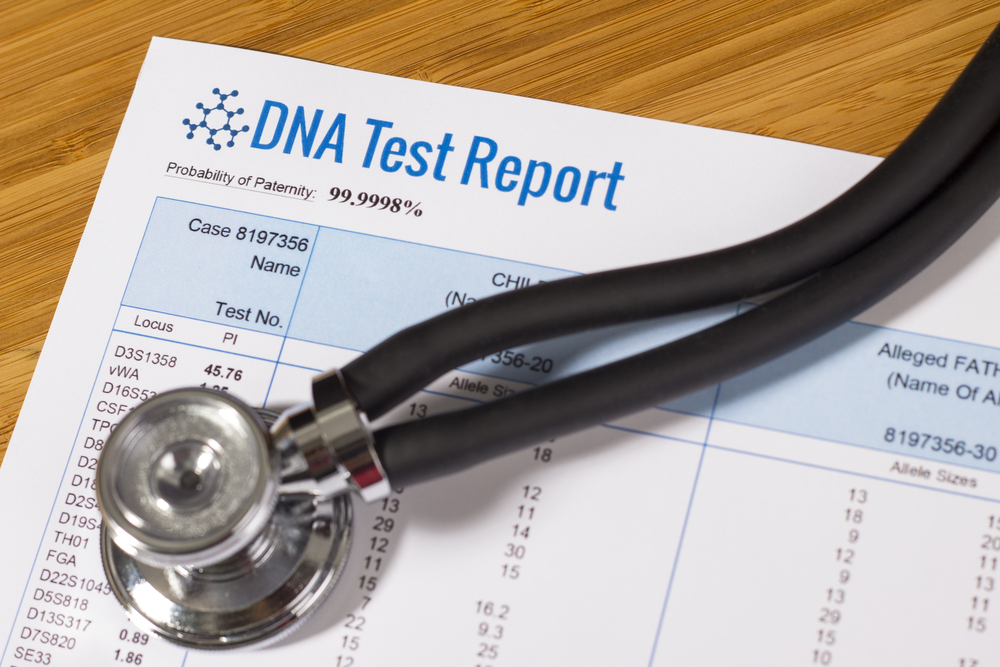
Summary In a courtroom, jurors and judges can be easily swayed by impressive-sounding DNA evidence and often do not pay attention to, or understand, the statistical evaluation. As a Criminal Lawyer, knowing when and how to question DNA results is key to maximising their efficacy in your case. A red flag is seeing low statistical…
Read MoreDo You Know What Your Report Means?

The Importance of Understanding Forensic Biology Reports This week I was contacted by a barrister who was two weeks into a three-week trial. Unfortunately, because of the way the forensic biology report was written, he completely misunderstood the forensic biology and DNA evidence in his matter. I worked closely with this barrister to put him…
Read More