

Forensic science is often presented in court as neutral, objective, and immune from influence. But is it truly independent?
Forensic science has long been presented in court as a pillar of objective, scientific truth. Yet a recent editorial published in Forensic Science International: Synergy highlights a growing crisis in forensic independence that should alert every criminal practitioner to potentially unsafe applications of ‘science’ in criminal trials.
The core problem: laboratories and forensic practitioners are frequently subject to administrative and prosecutorial control, which can compromise the scientific independence of the analysis and its presentation in court. You can find a link to the article here.
Why this matters to defence practitioners
Forensic evidence often carries an aura of certainty in the courtroom. However, the real-world scientific basis for many forensic disciplines is far from robust:
No guaranteed scientific independence. Forensic labs may be organisationally tied to law enforcement, raising questions about impartiality and internal pressures.
Risk of unchecked authority. Science should challenge power and authority. When forensic scientists face institutional pressure to conform to prosecutorial needs, their ability to critique or question prevailing assumptions is diminished.
Lack of rigorous validation and standards. Beyond well-validated techniques like DNA analysis, many forensic methods lack consistent scientific validation — a concern echoed by major independent science bodies and legal critics alike.
Admissibility standards don’t equate to scientific reliability. Courts often admit forensic testimony based on specialised knowledge without rigorous review of the underlying methodology or error rates.
Limitations routinely overlooked in court
Even where forensic evidence is technically admissible, several scientific limitations are often unaddressed:
Testing limitations: When it comes to testing of biological fluids, what other substance might test positive for the type of test performed? Often these are not disclosed in a court report.
Validation gaps: Apart from DNA, many techniques (e.g., fingerprint comparison, bite mark analysis) have not been shown to consistently link evidence to specific individuals with high scientific certainty.
Error rates rarely disclosed: Courts may hear conclusions without clear communication of how often those methods might be wrong. This is especially true when dealing with low likelihood ratios — there is no rate for how often a false inclusion / adventitious match will be generated.
Bias and contextual effects: Scientific research demonstrates that human examiners are susceptible to contextual bias — even subtle forensic cues can skew conclusions.
Judicial unfamiliarity with science: Lawyers, judges, and jurors often lack the scientific literacy to critically evaluate experimental design, statistical inference, or limitations of laboratory methods.
What can you do?
Engage independent forensic scientists early. Don’t wait for court to challenge forensic evidence — get ahead by obtaining an independent scientific review before and during trial preparation by genuinely independent and qualified professionals.
Demand scientific validation and error estimates. Require that experts disclose the underlying validation, limitations, and error rates of the methods they rely on.
Educate the court on scientific standards. Bring submissions that clarify what constitutes sound science versus tradition or authority, especially where forensic disciplines have limited empirical support.
Leverage expert advisers for jury education. Scientific advisers and independent experts can assist with jury instructions, bench briefs, or pre-trial motions that flag unreliable methods or overstated conclusions.
Forensic science holds the potential to add great value to criminal trials, but only if it is grounded in rigorous, transparent scientific practice and presented in a manner that respects its limits. As criminal lawyers, it is not enough to accept forensic evidence at face value. You must critically assess it, scrutinise it, and when appropriate, bring in independent scientific expertise to ensure that it is presented in a robust and balanced manner.
Further Reading
- Forensic Science International: Synergy — Source editorial on forensic independence
- ISO/IEC 17025 — Testing and Calibration Laboratories
- NATA — Forensic Science ISO/IEC 17025 Appendix (PDF)
- NIST — ISO 21043 Forensic Science Standards
- ANZPAA NIFS — Principles for Reporting Forensic Biology Evidence (PDF)
Author Bio
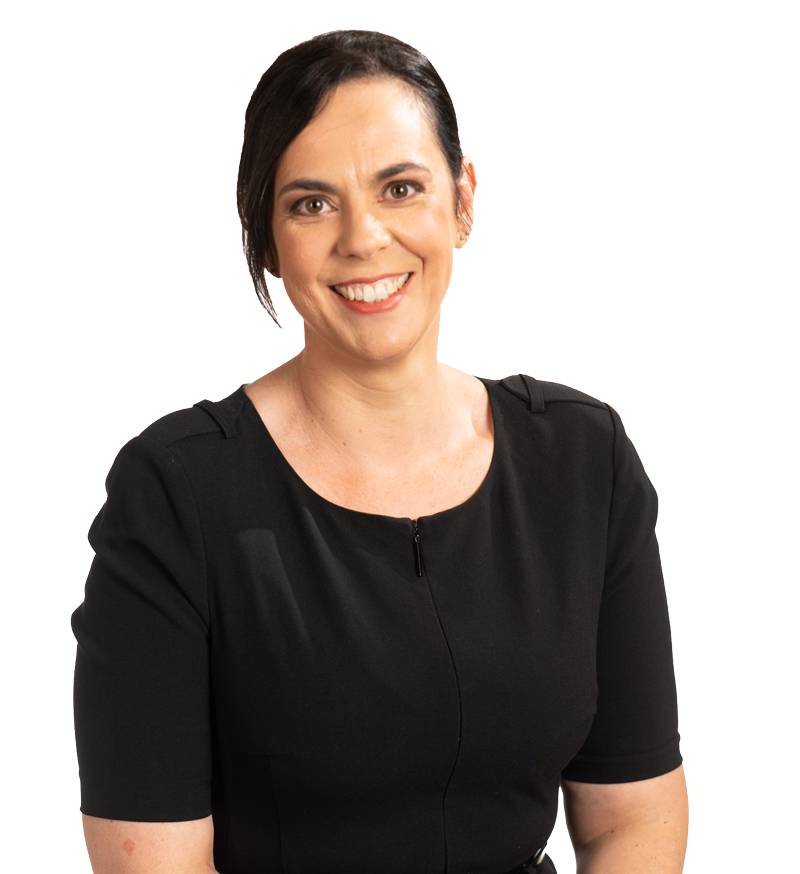
Jae Gerhard is a Forensic DNA Expert and the Principal Forensic Scientist at Independent Forensic Services, bringing over two decades of frontline experience in forensic biology.
Specialising in DNA analysis, STRmix™, biological fluid examination, and bloodstain pattern interpretation, Jae now works independently with criminal defence teams to review and challenge forensic evidence. Her mission is simple: to ensure the science presented in court is accurate, balanced, and truly understood.
DNA Expert Witness Testimony
We’re passionate about ensuring forensic biology and DNA evidence is presented to the courts in an impartial, yet comprehensive manner, and that potentially misleading evidence isn’t relied upon. We also want our clients to understand the strengths and limitations of forensic evidence in their cases.
Independent
As an independent forensic service provider, we offer unbiased and impartial analysis. Our independence guarantees that our findings are based solely on scientific evidence, free from external influences. This objectivity is crucial in ensuring the credibility and reliability of our forensic reports.
Confidential
We understand the sensitive nature of forensic investigations. Confidentiality is a cornerstone of our services. We handle all cases with the highest level of discretion, ensuring that your privacy and the integrity of the investigation are maintained at all times.
Trusted
Integrity is at the heart of everything we do. We are committed to ethical practices and uphold the highest standards of honesty and transparency in all our investigations. You can trust that our findings are accurate, thoroughly vetted, and presented with complete integrity.
Professional
Our team adheres to the highest standards in forensic science, ensuring that every case is handled with the utmost care and precision. We strive for excellence in all our services, providing reliable and accurate forensic analysis.
Highly Experienced
Our team comprises forensic experts with extensive experience across various forensic disciplines. With years of practical experience and advanced training, our professionals bring a wealth of knowledge to each investigation. This expertise ensures that we deliver top-tier forensic solutions tailored to your specific needs.
Approachable
We work closely with you, offering guidance and support throughout the investigation, ensuring you feel confident and informed. Our team is approachable and dedicated to making the forensic process understandable and straightforward.
Get Started
Choosing Independent Forensic Services means partnering with a team that values professionalism, experience, approachability, independence, confidentiality, and integrity. Trust us to provide the forensic expertise you need to achieve justice.
How We Can Help You
With Independent Forensic Services, you gain access to a team of experts.


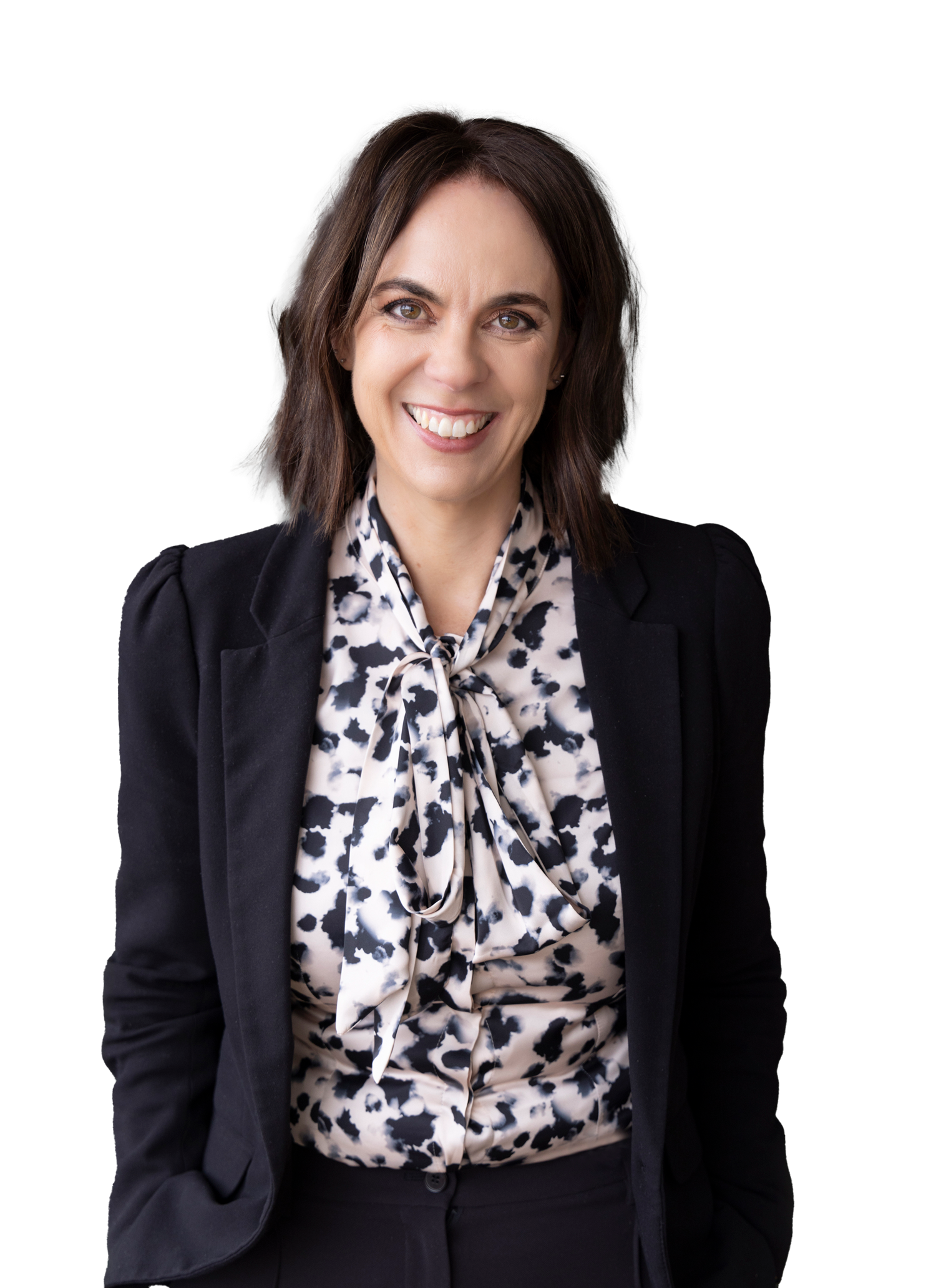
An Expert Team Lead by Jae Gerhard
Jae Gerhard is a Forensic DNA Expert and the Principal Forensic Scientist at Independent Forensic Services, bringing over two decades of frontline experience in forensic biology. She has worked on some of Australia’s most complex and high‑profile cases with the Australian Federal Police and New South Wales Police, including the Special Commission of Inquiry into LGBTIQ Hate Crimes, National Crime Authority bombing, Claremont serial killer case, Lin Family murders, murder of Michelle Beets as well as international disaster victim identification operations such as the 2002 Bali Bombing, 2003 Australian Embassy bombing and 2004 Asian tsunami.
Specialising in DNA analysis, STRmix™, biological fluid examination, and bloodstain pattern interpretation, Jae now works independently with criminal defence teams to review and challenge forensic evidence. Her mission is simple: to ensure the science presented in court is accurate, balanced, and truly understood.