
Modern forensic science is powerful, but its limitations matter more than ever.
DNA and forensic evidence can be compelling, but only when it is properly collected, analysed, interpreted and reported. As forensic science becomes increasingly sensitive and complex, the risks of overstatement, misinterpretation, and evidential overreach increase. Below are the top five forensic DNA issues we believe criminal lawyers should be alert to when considering the value of the DNA evidence in their criminal matters for this year.
1. Trace DNA: Still One of the Most Problematic Evidence Types
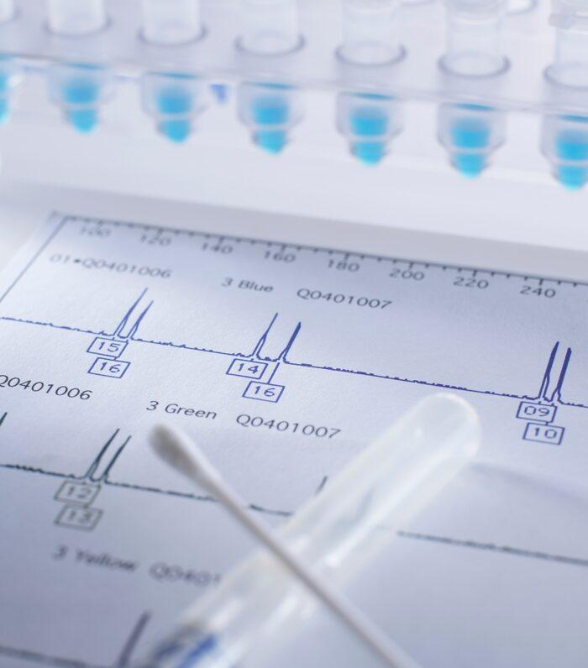
Trace DNA — where the biological origin is not known — is one of the most contentious forms of forensic evidence. It is generally not possible to determine how or when this DNA was deposited, and it is widely accepted that DNA can transfer indirectly and persist in the environment for extended periods. Presence alone does not equate to participation.
2. Investigator-Mediated Contamination
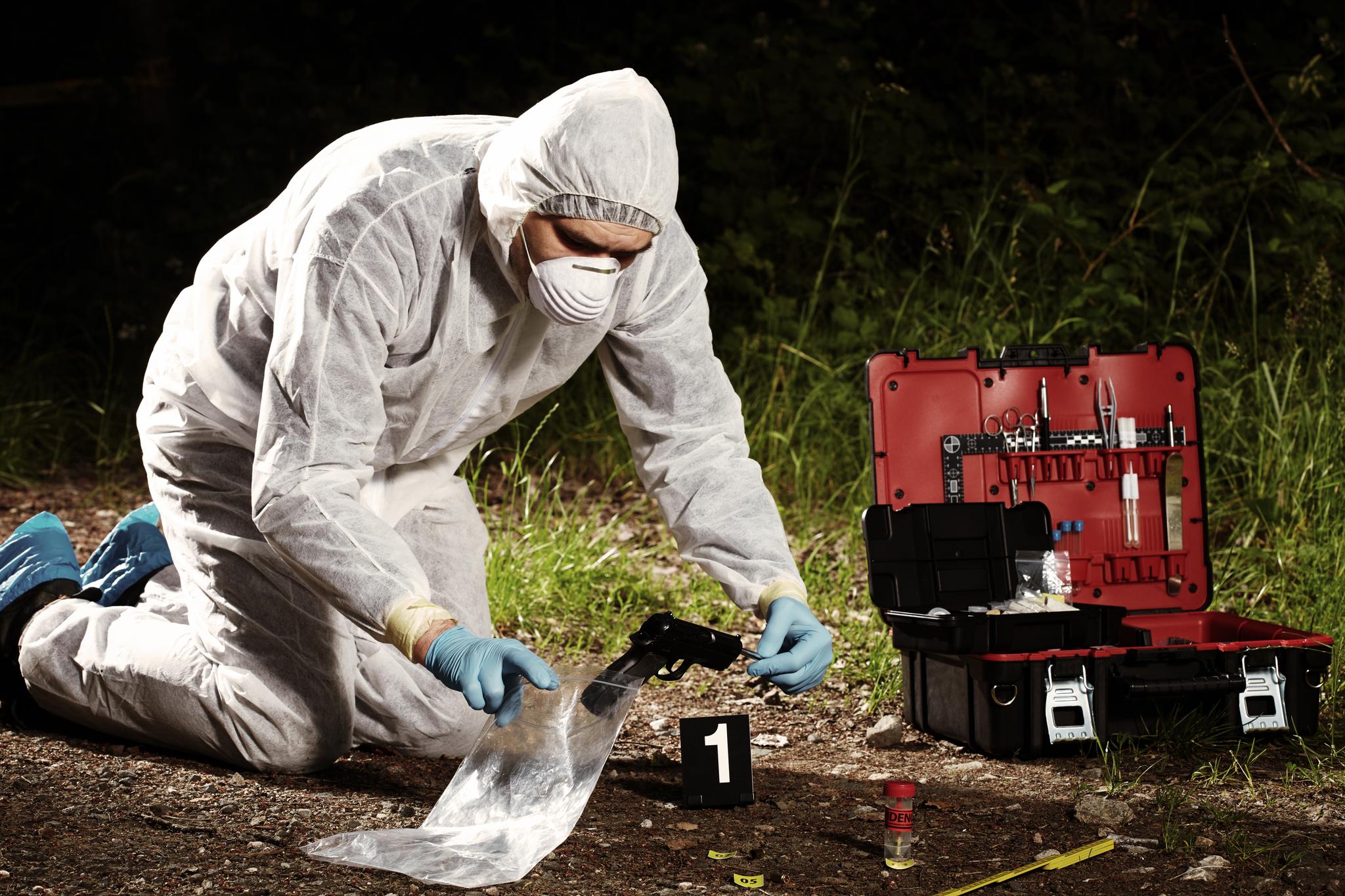
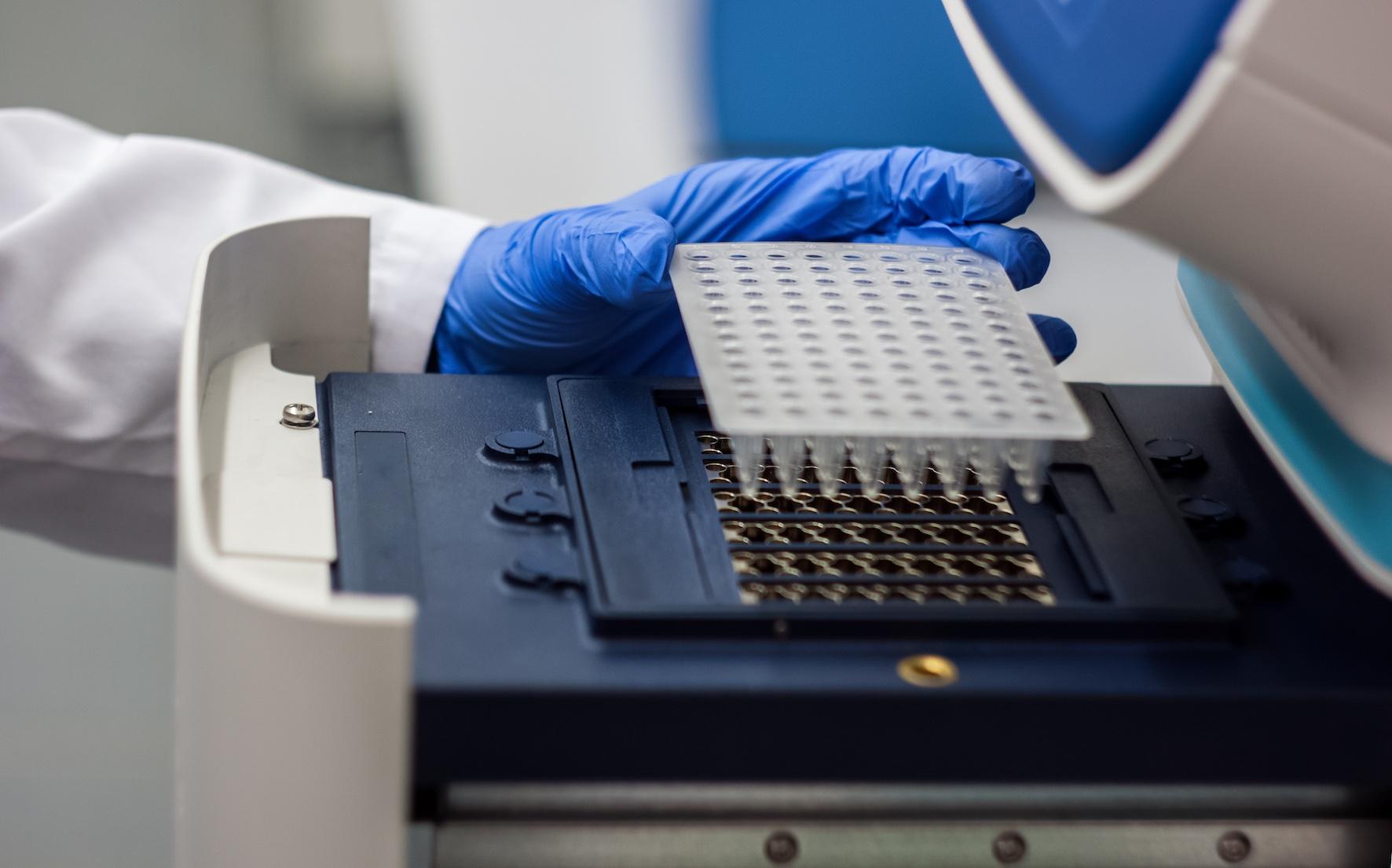
Modern DNA testing is extraordinarily sensitive — so sensitive that preventing contamination in the field has become increasingly challenging. Inadequate glove changes, poor scene discipline, or improper handling can readily facilitate DNA transfer between items or individuals. Investigator-mediated contamination is more common than many reports acknowledge and should always be explored.
3. Undisclosed Limitations of Forensic Tests
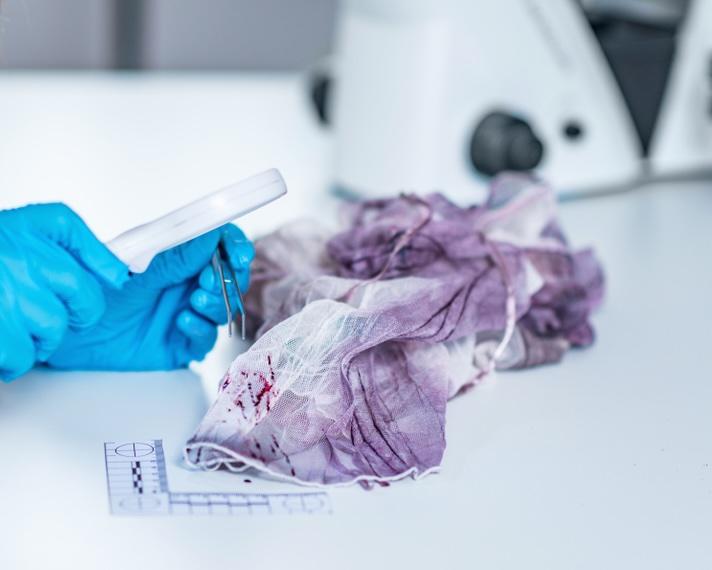
Forensic reports do not always clearly articulate the limitations of the tests employed. Many presumptive or screening tests are not specific. For example, tests commonly described as detecting saliva may also react to urine and other biological fluids. Understanding what a test cannot distinguish is just as important as what it claims to detect.
4. Low Likelihood Ratios = Low Evidential Value
A likelihood ratio (LR) is not automatically powerful simply because it exists. Low LRs indicate weak support for one proposition over another and should be treated with appropriate caution. Reports sometimes present such results in technical language that can mask their limited evidential weight. Always consider whether the LR meaningfully advances the prosecution case or merely adds noise.
5. Non-Probative Samples
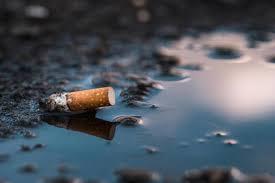
Not all DNA is meaningful. Items such as cigarette butts, drink containers, or other discarded objects found outside a crime scene may have little or no probative value. These items often lack a clear nexus to the alleged offence and can reflect entirely unrelated, innocent activity. The key question is not whose DNA is it? but what does its presence actually prove?
Forensic evidence should assist the court, not mislead it. A careful, critical reading of forensic reports and associated data is essential to ensuring that scientific evidence is placed in its proper evidential context, so that it can be presented fairly and any limitations disclosed. If you would like assistance reviewing forensic reports and forensic data, identifying limitations, or obtaining independent expert advice, we are always happy to help.
Further Reading
Author Bio

Jae Gerhard is a Forensic DNA Expert and the Principal Forensic Scientist at Independent Forensic Services, bringing over two decades of frontline experience in forensic biology.
Specialising in DNA analysis, STRmix™, biological fluid examination, and bloodstain pattern interpretation, Jae now works independently with criminal defence teams to review and challenge forensic evidence. Her mission is simple: to ensure the science presented in court is accurate, balanced, and truly understood.
DNA Expert Witness Testimony
We’re passionate about ensuring forensic biology and DNA evidence is presented to the courts in an impartial, yet comprehensive manner, and that potentially misleading evidence isn’t relied upon. We also want our clients to understand the strengths and limitations of forensic evidence in their cases.
Independent
As an independent forensic service provider, we offer unbiased and impartial analysis. Our independence guarantees that our findings are based solely on scientific evidence, free from external influences. This objectivity is crucial in ensuring the credibility and reliability of our forensic reports.
Confidential
We understand the sensitive nature of forensic investigations. Confidentiality is a cornerstone of our services. We handle all cases with the highest level of discretion, ensuring that your privacy and the integrity of the investigation are maintained at all times.
Trusted
Integrity is at the heart of everything we do. We are committed to ethical practices and uphold the highest standards of honesty and transparency in all our investigations. You can trust that our findings are accurate, thoroughly vetted, and presented with complete integrity.
Professional
Our team adheres to the highest standards in forensic science, ensuring that every case is handled with the utmost care and precision. We strive for excellence in all our services, providing reliable and accurate forensic analysis.
Highly Experienced
Our team comprises forensic experts with extensive experience across various forensic disciplines. With years of practical experience and advanced training, our professionals bring a wealth of knowledge to each investigation. This expertise ensures that we deliver top-tier forensic solutions tailored to your specific needs.
Approachable
We work closely with you, offering guidance and support throughout the investigation, ensuring you feel confident and informed. Our team is approachable and dedicated to making the forensic process understandable and straightforward.
Get Started
Choosing Independent Forensic Services means partnering with a team that values professionalism, experience, approachability, independence, confidentiality, and integrity. Trust us to provide the forensic expertise you need to achieve justice.
How We Can Help You
With Independent Forensic Services, you gain access to a team of experts.


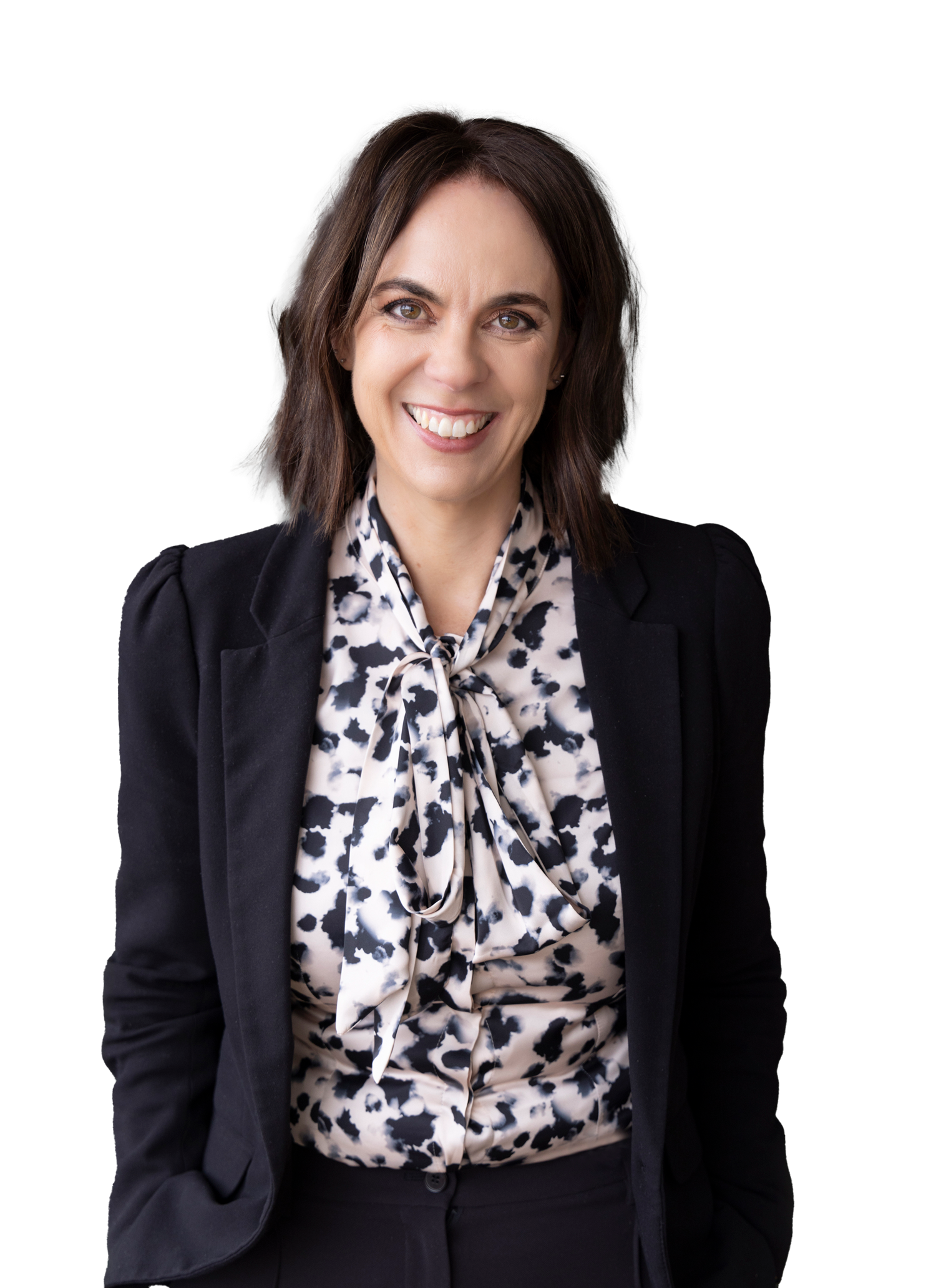
An Expert Team Lead by Jae Gerhard
Jae Gerhard is a Forensic DNA Expert and the Principal Forensic Scientist at Independent Forensic Services, bringing over two decades of frontline experience in forensic biology. She has worked on some of Australia’s most complex and high‑profile cases with the Australian Federal Police and New South Wales Police, including the Special Commission of Inquiry into LGBTIQ Hate Crimes, National Crime Authority bombing, Claremont serial killer case, Lin Family murders, murder of Michelle Beets as well as international disaster victim identification operations such as the 2002 Bali Bombing, 2003 Australian Embassy bombing and 2004 Asian tsunami.
Specialising in DNA analysis, STRmix™, biological fluid examination, and bloodstain pattern interpretation, Jae now works independently with criminal defence teams to review and challenge forensic evidence. Her mission is simple: to ensure the science presented in court is accurate, balanced, and truly understood.