
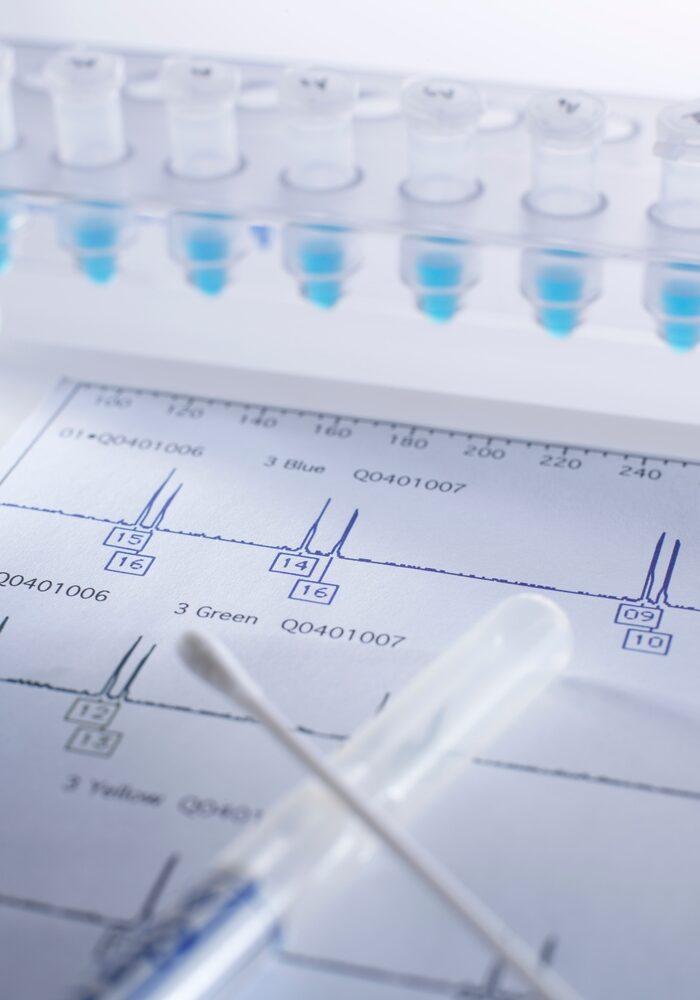
Modern DNA profiling can generate a full profile from only a few cells. That sensitivity is scientifically brilliant but is also legally dangerous. If there is any plausible route by which an innocent person’s DNA could have been deposited or moved — investigator handling, packaging, laboratory contamination — that possibility cannot simply be dismissed. Recent Australian decisions and reviews show courts are increasingly receptive to contamination / secondary-transfer arguments and some prosecutions have collapsed as a result.
Why this matters now
Sensitivity vs procedures gap. Modern STR and low-template methods detect tiny amounts of DNA. Less than 10 cells are required to begin to obtain identifiable information. But many crime-scene practices — such as glove changing, item handling, packaging and supervision — were designed when tests required more material. This mis-match creates new pathways for contamination and the transfer of DNA.
Investigator-mediated transfer is real. Courts now acknowledge that police handling can inadvertently transfer DNA between exhibits (or from staff to exhibits). Where poor procedures exist, the mere presence of a profile is not proof of deposition by the accused.
Secondary transfer is not fanciful. Scientific literature and case law show DNA can move indirectly (via hands, clothing, contact between items, packaging, gloved handling), and can be detected long after an event, making timing and mechanism of deposition undeterminable. DNA can continue to move as long as the conditions and the amount of material to transfer allow, so it is not just limited to one or two transfer events.
Australian case examples you should know
Fitzgerald v The Queen [2014] HCA 28 — High Court warnings about over-reliance on DNA alone. The High Court grappled with whether trace DNA could be attributed reliably and emphasised that courts must carefully interrogate how DNA might have been deposited, including secondary transfer, rather than assume direct deposition. This remains a touchstone for challenging activity-level inferences.
Seifeddine v R [2021] NSWCCA 214 — Conviction quashed where secondary transfer was reasonably possible. DNA from the accused was found on firearms and associated items in a storage unit. The Court of Criminal Appeal held that, given the way items had been handled and the accused’s legitimate access to the space, a reasonable possibility of secondary transfer existed and the conviction could not stand.
R v Briggs [2025] NSWDC 378 — Not guilty as trace DNA alone does not prove presence or participation. DNA from the accused was found on a weapon in an aggravated robbery matter. A mixed DNA profile was obtained from the handle. The Judge indicated that the DNA evidence carried limited probative weight, given the realistic possibility of indirect transfer and the absence of supporting evidence.
Practical checklist for defence teams
On first instruction / pre-trial:
- Obtain all crime-scene footage, officer notebooks, evidence-handling logs, and photographs of scene layout and packaging. Look for glove changes, the sequence of handling, and off-camera activity.
- Request full chain-of-custody documentation and notes of every person who handled each exhibit (including roster/staff IDs).
- Request DNA testing records (forensic biology case file) — also include disclosure of sampling/processing thresholds and laboratory QC records (contamination checks, controls, blank results, any re-tests).
- Instruct an independent forensic biologist to assist with:
- Reviewing scene footage and handling
- Recreating/assessing plausible secondary/tertiary transfer pathways
- Examining packaging and handling issues
- Providing guidance on the nature of the DNA and associated sampling and DNA analysis
- Critically evaluating the lab’s validation for low-template profiles and reporting language
- Challenging speculative language
Cross-examination and submissions:
Highlight procedural faults that create plausible routes of transfer (reused gloves, un-sequenced handling, off-camera movement, exhibit packaging). Argue prejudice v probative value: if the contamination / transfer risk is real and cannot be reliably excluded, evidence may be unfair and should be excluded or its weight substantially diminished.
Final point — a mindset shift
DNA is powerful — but it is not self-explaining. Sensitivity without matched procedural safeguards turns forensic evidence into a double-edged sword. Once a credible route for secondary or investigator-mediated transfer exists, courts will not simply ignore it — and neither should we. Defence strategy must now routinely fold contamination/transfer analysis into early case-theory development, voir dire planning and expert instruction.
In the Words of Defence Counsel
“I want to extend my thanks on behalf of the defence legal team and the accused (and his family) for all your efforts. I am pleased to advise your report assisted in the Prosecution discontinuing the case against our client. I am very grateful for all your efforts and look forward to working together in the future.”
— Hassan Hamka, Solicitor, NSW
Further Reading
Author Bio
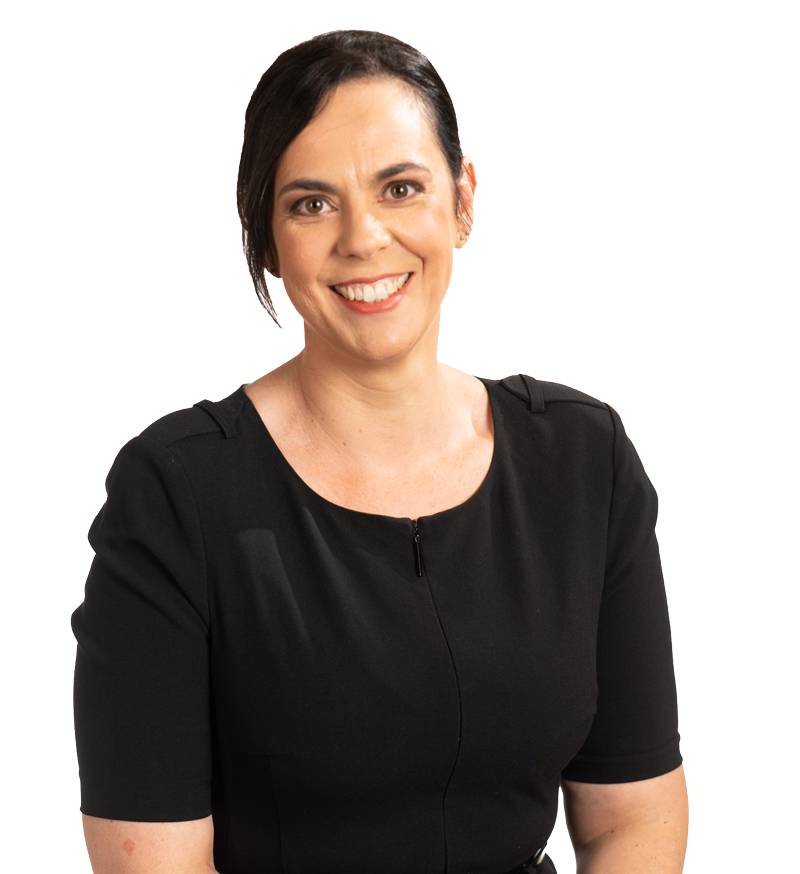
Jae Gerhard is a Forensic DNA Expert and the Principal Forensic Scientist at Independent Forensic Services, bringing over two decades of frontline experience in forensic biology.
Specialising in DNA analysis, STRmix™, biological fluid examination, and bloodstain pattern interpretation, Jae now works independently with criminal defence teams to review and challenge forensic evidence. Her mission is simple: to ensure the science presented in court is accurate, balanced, and truly understood.
DNA Expert Witness Testimony
We’re passionate about ensuring forensic biology and DNA evidence is presented to the courts in an impartial, yet comprehensive manner, and that potentially misleading evidence isn’t relied upon. We also want our clients to understand the strengths and limitations of forensic evidence in their cases.
Independent
As an independent forensic service provider, we offer unbiased and impartial analysis. Our independence guarantees that our findings are based solely on scientific evidence, free from external influences. This objectivity is crucial in ensuring the credibility and reliability of our forensic reports.
Confidential
We understand the sensitive nature of forensic investigations. Confidentiality is a cornerstone of our services. We handle all cases with the highest level of discretion, ensuring that your privacy and the integrity of the investigation are maintained at all times.
Trusted
Integrity is at the heart of everything we do. We are committed to ethical practices and uphold the highest standards of honesty and transparency in all our investigations. You can trust that our findings are accurate, thoroughly vetted, and presented with complete integrity.
Professional
Our team adheres to the highest standards in forensic science, ensuring that every case is handled with the utmost care and precision. We strive for excellence in all our services, providing reliable and accurate forensic analysis.
Highly Experienced
Our team comprises forensic experts with extensive experience across various forensic disciplines. With years of practical experience and advanced training, our professionals bring a wealth of knowledge to each investigation. This expertise ensures that we deliver top-tier forensic solutions tailored to your specific needs.
Approachable
We work closely with you, offering guidance and support throughout the investigation, ensuring you feel confident and informed. Our team is approachable and dedicated to making the forensic process understandable and straightforward.
Get Started
Choosing Independent Forensic Services means partnering with a team that values professionalism, experience, approachability, independence, confidentiality, and integrity. Trust us to provide the forensic expertise you need to achieve justice.
How We Can Help You
With Independent Forensic Services, you gain access to a team of experts.


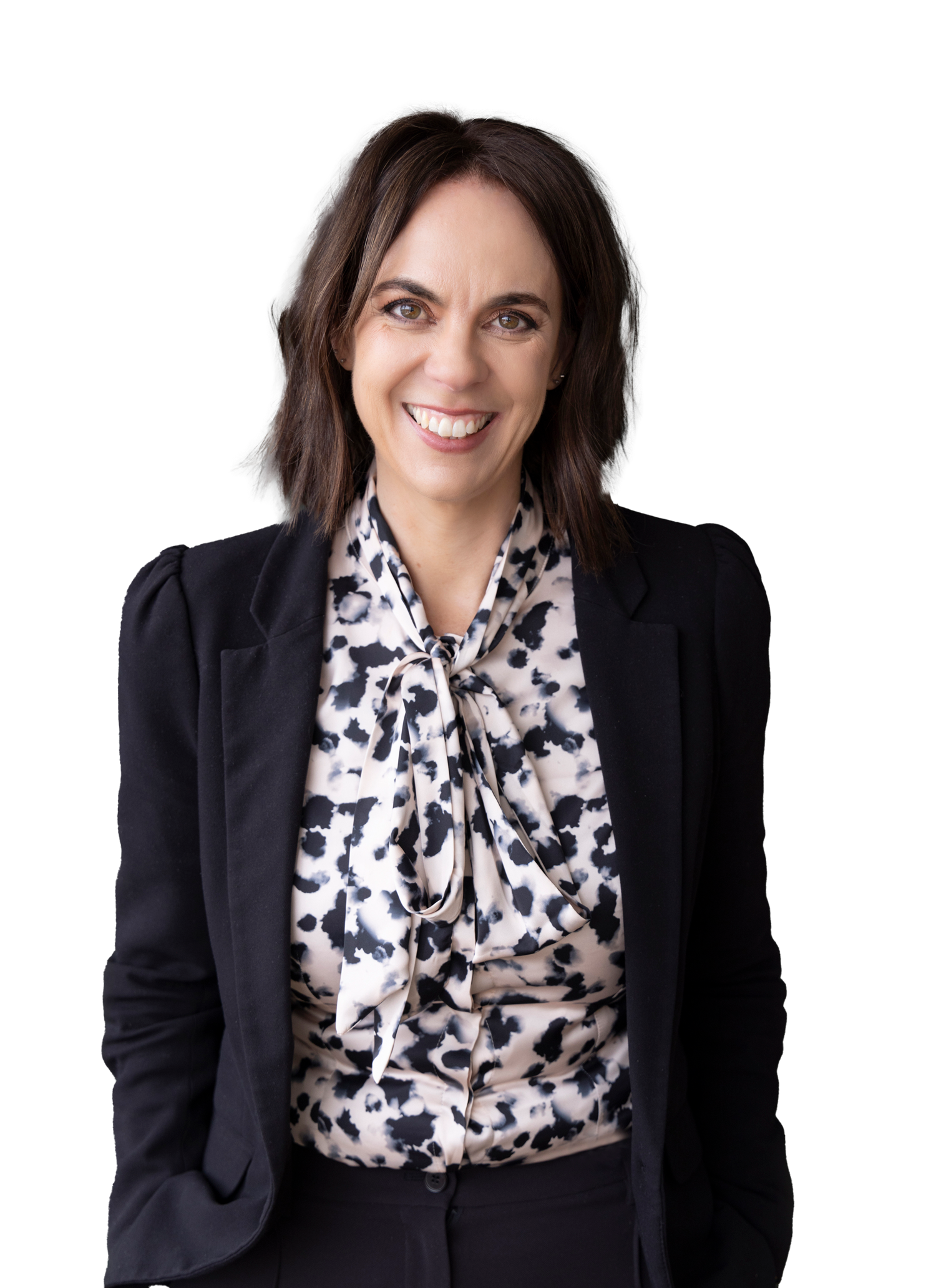
An Expert Team Lead by Jae Gerhard
Jae Gerhard is a Forensic DNA Expert and the Principal Forensic Scientist at Independent Forensic Services, bringing over two decades of frontline experience in forensic biology. She has worked on some of Australia’s most complex and high‑profile cases with the Australian Federal Police and New South Wales Police, including the Special Commission of Inquiry into LGBTIQ Hate Crimes, National Crime Authority bombing, Claremont serial killer case, Lin Family murders, murder of Michelle Beets as well as international disaster victim identification operations such as the 2002 Bali Bombing, 2003 Australian Embassy bombing and 2004 Asian tsunami.
Specialising in DNA analysis, STRmix™, biological fluid examination, and bloodstain pattern interpretation, Jae now works independently with criminal defence teams to review and challenge forensic evidence. Her mission is simple: to ensure the science presented in court is accurate, balanced, and truly understood.