
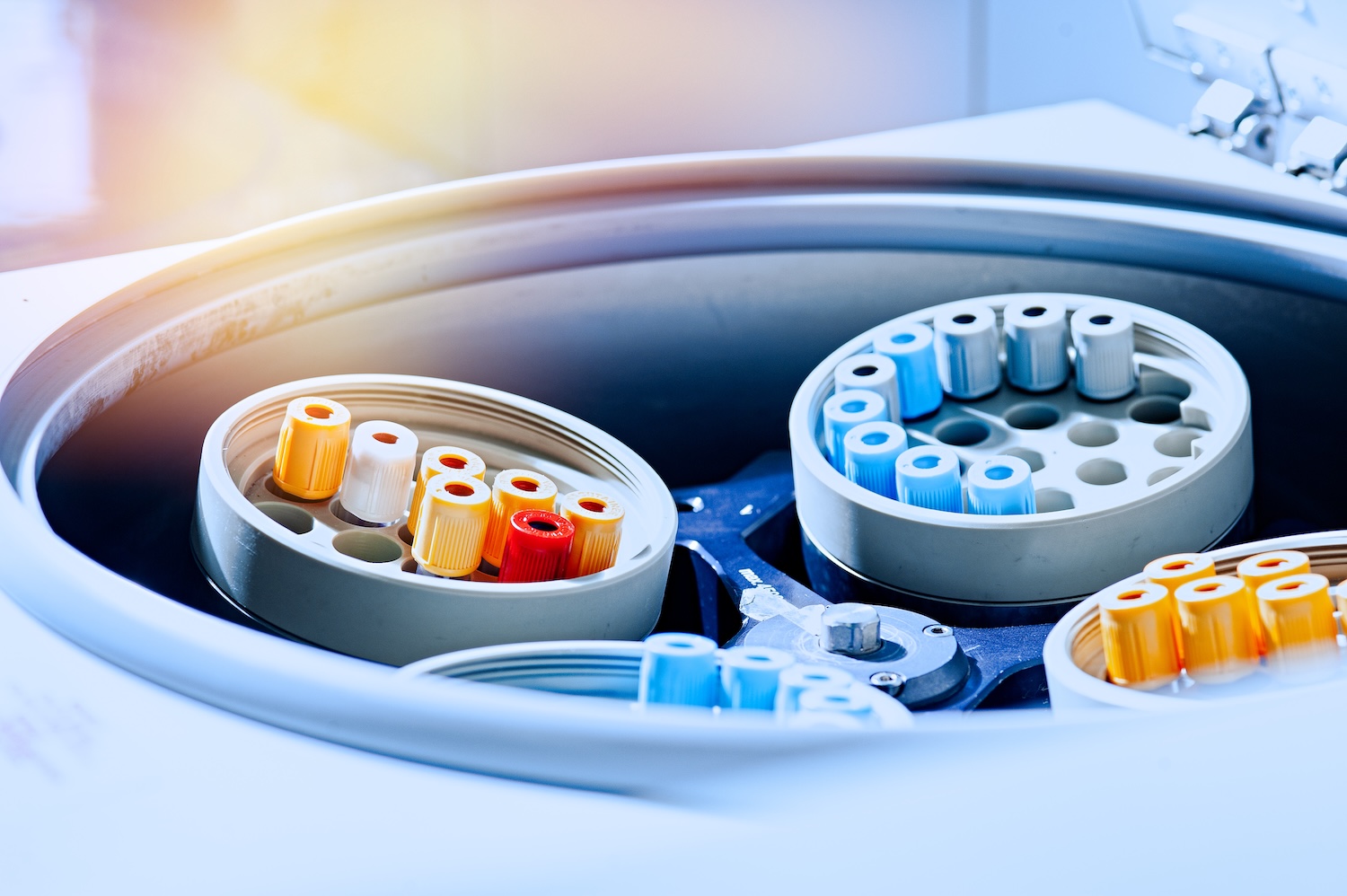
The complexities of DNA in sexual assaults.
Transfer, contamination, and missing analyses can drastically alter the weight of DNA evidence.
Following my presentation to LegalWise Seminars last week, I thought it was timely to reinforce this presentation and re-visit some of the complexities of forensic biology evidence in sexual assaults.
Forensic DNA and biological evidence is frequently regarded as the most persuasive form of forensic evidence in sexual assault matters. Jurors often perceive DNA results as conclusive, creating a significant evidentiary advantage for the prosecution. However, the scientific realities underlying DNA findings are considerably more complex. In particular, the detection of seminal fluid, observation spermatozoa, the risks of transfer in the sample process and contamination events present serious limitations that criminal defence lawyers must appreciate when preparing their cases.
Contamination and transfer concerns
Although compelling evidence, the presence of a small number of spermatozoa or DNA in the vaginal cavity may not be evidence of penetration. A scientific study conducted in 2013 demonstrated that the nature of collecting intimate samples in a sexual assault matter can push external material into the vaginal cavity, creating the appearance of penetration.
This occurs 100% of the time if a speculum is used and up to 86% of the time when the samples were collected blind [Loeve et al 2013].
However, this study has limitations that the samples were not collected in the same manner as samples in sexual assault matters. It demonstrates that transfer of material occurs.
A 2025 study using real world sampling methods on anatomical models, has demonstrated that >25% of the time, practitioners transferred DNA from the external vaginal area onto the high vaginal swab. This study also showed that there was a transfer of material to other sampling sites — this occurred >50% of the time — and more than 10% of samples contained unidentified DNA [Gaskell et al 2025].
Detection of seminal fluid
Often samples contained in sexual assault investigation kits are not tested for the presence of seminal fluid — they jump straight to microscopy. However, it is important to note that semen consists of seminal fluid + a cellular component (the spermatozoa). Testing for the presence of seminal fluid has its own limitations. This test can produce false positives with other biological fluids, such as vaginal secretions and faecal material. However, when used in appropriate case circumstances it can assist in the interpretation of the biological evidence.
Observation of spermatozoa
Forensic reports usually record only the presence of spermatozoa. They do not disclose number or state of spermatozoa observed. This information can be essential to evidence evaluation as the presence of a small number of spermatozoa, and spermatozoa without tails may not be evidence of a recent ejaculation. Scientific data indicates that finding spermatozoa without tails 24 hours after deposition is very low [Casey et al 2017].
The reporting of spermatozoa without their number or state can present misleading evidence. A handful of sperm cells, without tails, may be consistent with historic or indirect transfer, not recent penetration or consistency with the allegation. Therefore, it is critical to know the number and state of the spermatozoa detected, the time from alleged incident to sample collection as well as any previous consensual sexual encounters.
Transfer of spermatozoa
Sperm and seminal fluid can transfer via laundry, bedding, or indirect social or household contact. Alternative explanations for the evidence — or limitations to the evidence, such as the transfer of spermatozoa in the laundry — are not disclosed in the State Service Provider reports. However, these limitations should be disclosed to ensure a complete picture of the evidence can be evaluated by the court.
Biological evidence in sexual assault matters is complex and the issues are significantly more complex than a forensic DNA report indicates. I have been reporting and reviewing sexual assault evidence for over 20 years. Before you advise your client to plead guilty or allow the evidence to be presented at trial, please contact me to ensure you know exactly what you are dealing with.
Further Reading
Author Bio
Jae Gerhard is a Forensic DNA Expert and the Principal Forensic Scientist at Independent Forensic Services, bringing over two decades of frontline experience in forensic biology.
Specialising in DNA analysis, STRmix™, biological fluid examination, and bloodstain pattern interpretation, Jae now works independently with criminal defence teams to review and challenge forensic evidence. Her mission is simple: to ensure the science presented in court is accurate, balanced, and truly understood.
DNA Expert Witness Testimony
We’re passionate about ensuring forensic biology and DNA evidence is presented to the courts in an impartial, yet comprehensive manner, and that potentially misleading evidence isn’t relied upon. We also want our clients to understand the strengths and limitations of forensic evidence in their cases.
Independent
As an independent forensic service provider, we offer unbiased and impartial analysis. Our independence guarantees that our findings are based solely on scientific evidence, free from external influences. This objectivity is crucial in ensuring the credibility and reliability of our forensic reports.
Confidential
We understand the sensitive nature of forensic investigations. Confidentiality is a cornerstone of our services. We handle all cases with the highest level of discretion, ensuring that your privacy and the integrity of the investigation are maintained at all times.
Trusted
Integrity is at the heart of everything we do. We are committed to ethical practices and uphold the highest standards of honesty and transparency in all our investigations. You can trust that our findings are accurate, thoroughly vetted, and presented with complete integrity.
Professional
Our team adheres to the highest standards in forensic science, ensuring that every case is handled with the utmost care and precision. We strive for excellence in all our services, providing reliable and accurate forensic analysis.
Highly Experienced
Our team comprises forensic experts with extensive experience across various forensic disciplines. With years of practical experience and advanced training, our professionals bring a wealth of knowledge to each investigation. This expertise ensures that we deliver top-tier forensic solutions tailored to your specific needs.
Approachable
We work closely with you, offering guidance and support throughout the investigation, ensuring you feel confident and informed. Our team is approachable and dedicated to making the forensic process understandable and straightforward.
Get Started
Choosing Independent Forensic Services means partnering with a team that values professionalism, experience, approachability, independence, confidentiality, and integrity. Trust us to provide the forensic expertise you need to achieve justice.
How We Can Help You
With Independent Forensic Services, you gain access to a team of experts.



An Expert Team Lead by Jae Gerhard
Jae Gerhard is a Forensic DNA Expert and the Principal Forensic Scientist at Independent Forensic Services, bringing over two decades of frontline experience in forensic biology. She has worked on some of Australia’s most complex and high‑profile cases with the Australian Federal Police and New South Wales Police, including the Special Commission of Inquiry into LGBTIQ Hate Crimes, National Crime Authority bombing, Claremont serial killer case, Lin Family murders, murder of Michelle Beets as well as international disaster victim identification operations such as the 2002 Bali Bombing, 2003 Australian Embassy bombing and 2004 Asian tsunami.
Specialising in DNA analysis, STRmix™, biological fluid examination, and bloodstain pattern interpretation, Jae now works independently with criminal defence teams to review and challenge forensic evidence. Her mission is simple: to ensure the science presented in court is accurate, balanced, and truly understood.