

Case Background
Mr Umatia was initially convicted of two counts of sexual assault and one count of rape following an allegation that he picked up the intoxicated complainant in his vehicle in the belief he was an Uber driver and was giving her a free lift home.
It is alleged that the Defendant stopped the vehicle several times on the way back to her home where he touched her sexually and penetrated her.
Even When the Limitations to the Forensic Evidence Are Disclosed, Lawyers and Judges Still Need to Tread Carefully
Two of the three grounds for appeal were put forward on the basis that the limitations in relation to the forensic evidence (biological fluid testing) were not appropriately evaluated.
- Ground 1: A prosecution submission that the jury could regard a positive presumptive test in relation to two swabs as evidence capable of supporting the complainant’s evidence that intercourse occurred.
- Ground 2: The learned trial judge’s misstatement of the evidence.
The complete judgement can be found here.
Ground 1: Misuse of a Presumptive Test
Testing for the presence of semen in this matter was performed with a test known as p30. This test detects prostate-specific antigen (PSA), which is found in seminal fluid but also in other biological fluids.
Some of the vaginal swabs collected tested positive for the p30 test; however, no spermatozoa were observed in the samples to confirm the presence of semen.
The QHFSS Scientists outlined the limitations of this testing in their evidence (if not in their report):
“PSA, also being present in urine, faecal matter and breast milk, albeit in much lower quantities compared to the level of it in seminal fluid, meant that a scientist can say no more than that semen is possibly present in a case where the PSA test is positive, pending a microscopic examination to look for spermatoceles (sic).”
Despite these limitations, the Prosecutor went on to suggest that the positive p30 results were circumstantial evidence supporting that penetration had occurred by eliminating the possibility that other biological fluids could be the source.
Counsel for the appellant pointed out:
“There is no evidentiary basis for that approach.”
Along with the information that the complainant could not be excluded as a source of the p30 positive result, the appeal on Ground 1 was successful.
Ground 2: The Learned Trial Judge’s Misstatement of the Evidence
In part of the summing up of the evidence, the Judge said:
“There is the possible presence of the seminal fluid. The Crown relies on the PSA test which shows the higher levels of seminal fluid in the internal vaginal swabs, that it could be seminal fluid.”
However, it was accepted that this was a misstatement. The PSA test did not show “higher levels of seminal fluid in the internal vaginal swabs.” A PSA positive does not mean that seminal fluid was detected.
The possibility of the jury being misled by that comment, albeit that it was in the summary of submissions made by the Crown, cannot be ruled out. Consequently, the contention that there has been a miscarriage of justice on this ground was upheld.
Did They Get It Right?
Yes, I believe, in my opinion, the biological evidence was mis-handled by the court in the initial trial and resulted in improper inferences (while they may have seemed logical) to the evidence. This misrepresentation of the evidence could possibly have resulted in an unfair conviction.
If you have a matter where the detection of biological fluids is of critical importance, please contact IFS for assistance. Whether at trial or post-conviction, it is imperative that the strengths and weaknesses of forensic testing are appropriately disclosed so they can be accurately evaluated by the court.
Author Bio
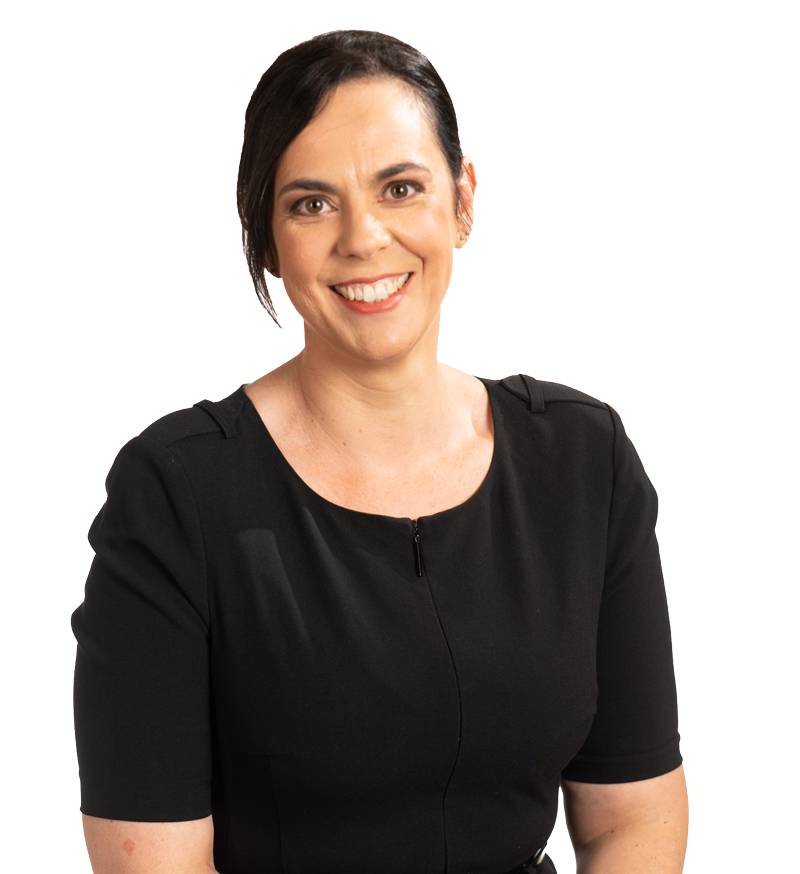
Jae Gerhard is a Forensic DNA Expert and the Principal Forensic Scientist at Independent Forensic Services, bringing over two decades of frontline experience in forensic biology.
Specialising in DNA analysis, STRmix™, biological fluid examination, and bloodstain pattern interpretation, Jae now works independently with criminal defence teams to review and challenge forensic evidence. Her mission is simple: to ensure the science presented in court is accurate, balanced, and truly understood.
DNA Expert Witness Testimony
We’re passionate about ensuring forensic biology and DNA evidence is presented to the courts in an impartial, yet comprehensive manner, and that potentially misleading evidence isn’t relied upon. We also want our clients to understand the strengths and limitations of forensic evidence in their cases.
Independent
As an independent forensic service provider, we offer unbiased and impartial analysis. Our independence guarantees that our findings are based solely on scientific evidence, free from external influences. This objectivity is crucial in ensuring the credibility and reliability of our forensic reports.
Confidential
We understand the sensitive nature of forensic investigations. Confidentiality is a cornerstone of our services. We handle all cases with the highest level of discretion, ensuring that your privacy and the integrity of the investigation are maintained at all times.
Trusted
Integrity is at the heart of everything we do. We are committed to ethical practices and uphold the highest standards of honesty and transparency in all our investigations. You can trust that our findings are accurate, thoroughly vetted, and presented with complete integrity.
Professional
Our team adheres to the highest standards in forensic science, ensuring that every case is handled with the utmost care and precision. We strive for excellence in all our services, providing reliable and accurate forensic analysis.
Highly Experienced
Our team comprises forensic experts with extensive experience across various forensic disciplines. With years of practical experience and advanced training, our professionals bring a wealth of knowledge to each investigation. This expertise ensures that we deliver top-tier forensic solutions tailored to your specific needs.
Approachable
We work closely with you, offering guidance and support throughout the investigation, ensuring you feel confident and informed. Our team is approachable and dedicated to making the forensic process understandable and straightforward.
Get Started
Choosing Independent Forensic Services means partnering with a team that values professionalism, experience, approachability, independence, confidentiality, and integrity. Trust us to provide the forensic expertise you need to achieve justice.
How We Can Help You
With Independent Forensic Services, you gain access to a team of experts.



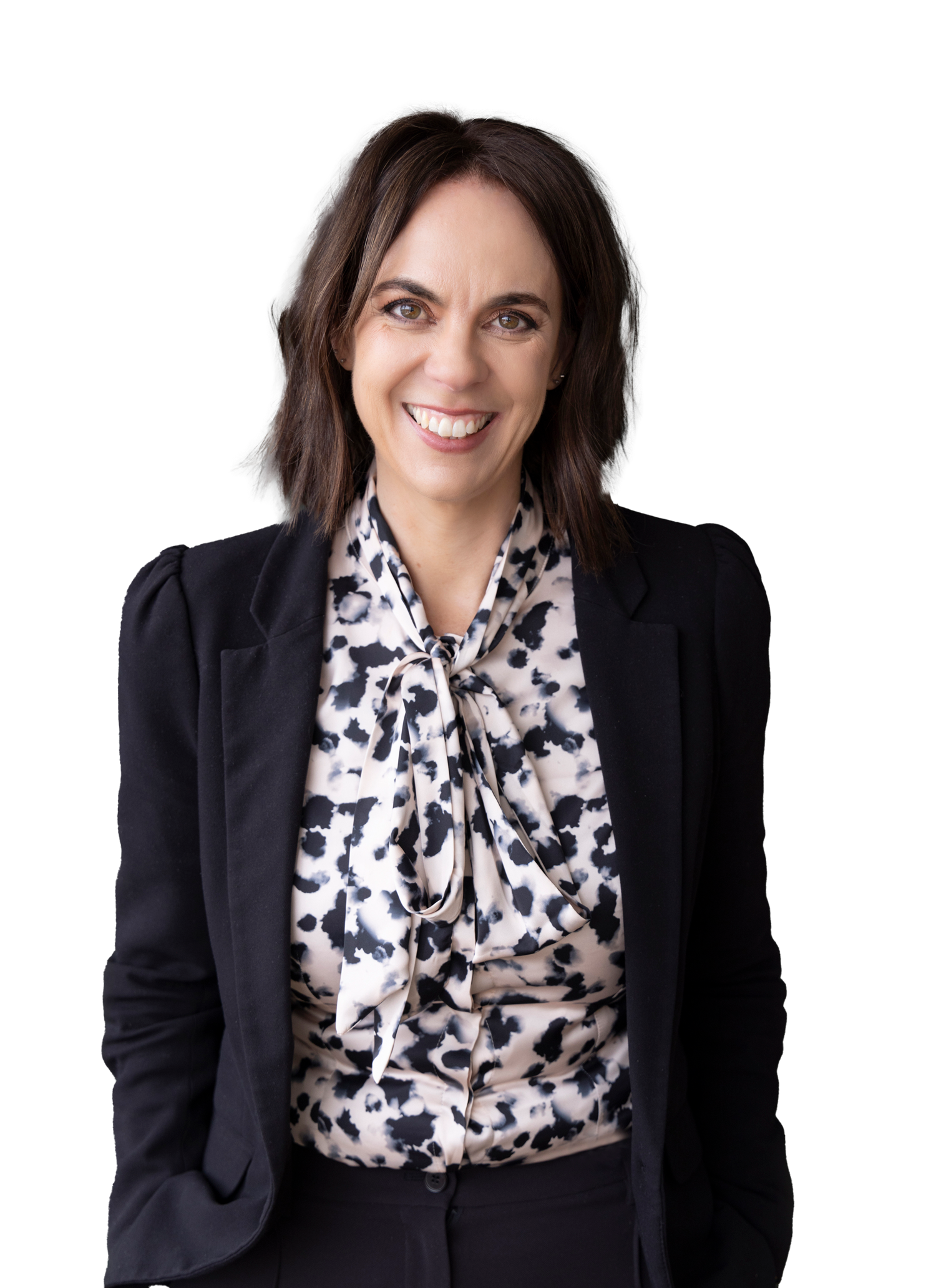
An Expert Team Lead by Jae Gerhard
Jae Gerhard is a Forensic DNA Expert and the Principal Forensic Scientist at Independent Forensic Services, bringing over two decades of frontline experience in forensic biology. She has worked on some of Australia’s most complex and high‑profile cases with the Australian Federal Police and New South Wales Police, including the Special Commission of Inquiry into LGBTIQ Hate Crimes, National Crime Authority bombing, Claremont serial killer case, Lin Family murders, murder of Michelle Beets as well as international disaster victim identification operations such as the 2002 Bali Bombing, 2003 Australian Embassy bombing and 2004 Asian tsunami.
Specialising in DNA analysis, STRmix™, biological fluid examination, and bloodstain pattern interpretation, Jae now works independently with criminal defence teams to review and challenge forensic evidence. Her mission is simple: to ensure the science presented in court is accurate, balanced, and truly understood.