
General Information
72% of Individuals Carry Non-Self DNA Under Their Fingernails From Everyday Activity
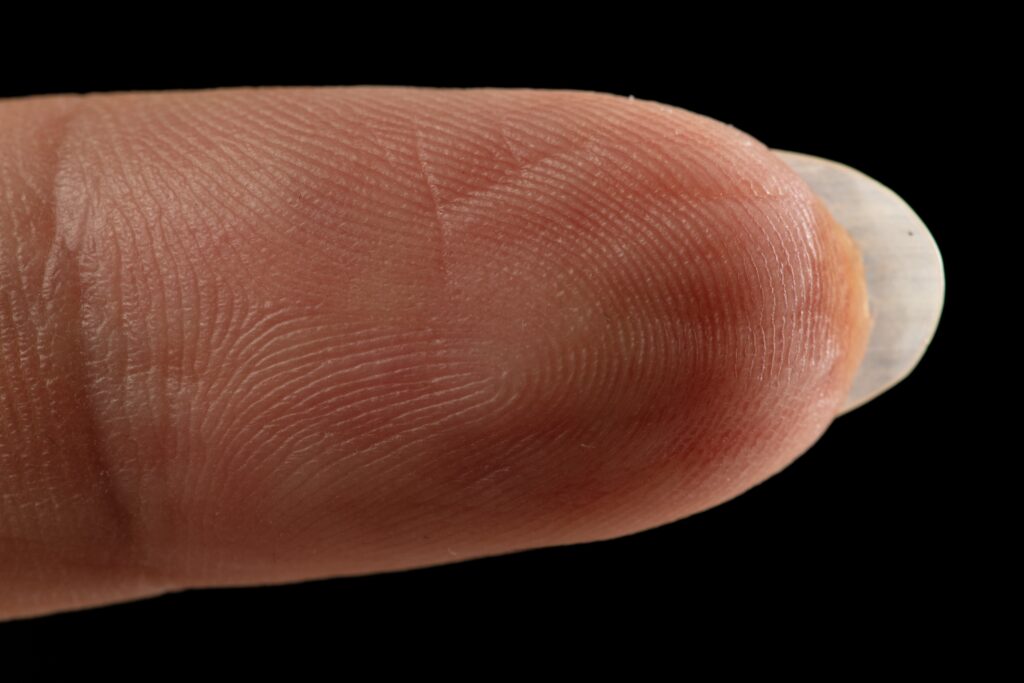
A new peer-reviewed study finds that foreign DNA under fingernails is a routine feature of everyday life. This may have direct implications for how this evidence is presented and challenged in court. For years, prosecutors have placed considerable weight on DNA found beneath a complainant’s or defendant’s fingernails as evidence of physical struggle or direct…
Read MoreThe Independence Problem in Forensic Science

Forensic science is often presented in court as neutral, objective, and immune from influence. But is it truly independent? Forensic science has long been presented in court as a pillar of objective, scientific truth. Yet a recent editorial published in Forensic Science International: Synergy highlights a growing crisis in forensic independence that should alert every…
Read MoreTransfer and Contamination in Sexual Assault Matters
The complexities of DNA in sexual assaults. Transfer, contamination, and missing analyses can drastically alter the weight of DNA evidence. Following my presentation to LegalWise Seminars last week, I thought it was timely to reinforce this presentation and re-visit some of the complexities of forensic biology evidence in sexual assaults. Forensic DNA and biological evidence…
Read MoreWhen Procedure Lags Technology: Why DNA Sensitivity Demands New Defence Strategies
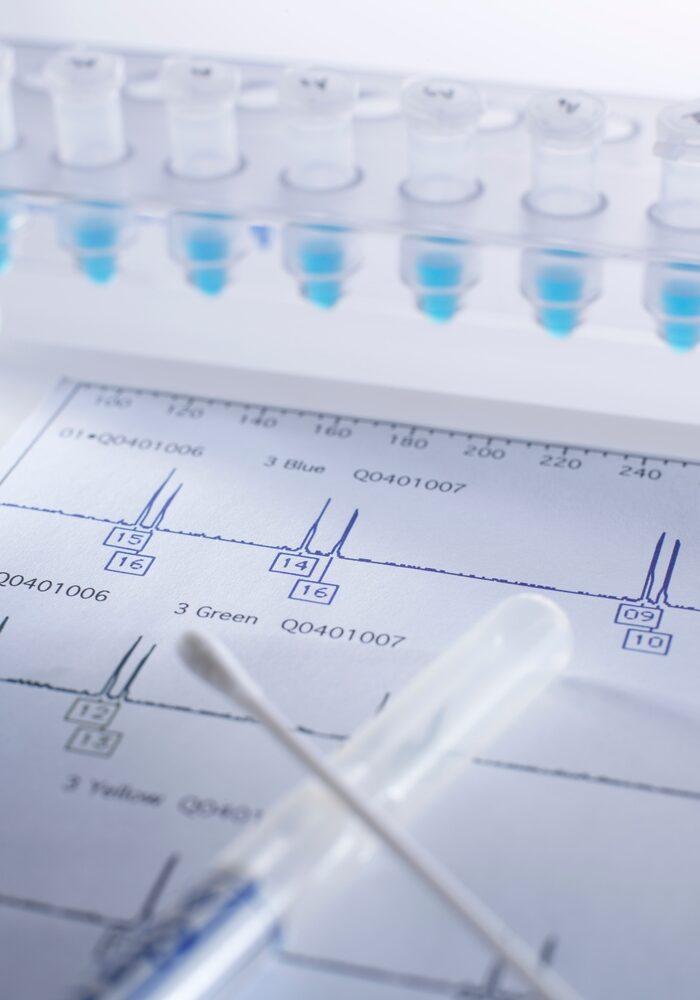
Modern DNA profiling can generate a full profile from only a few cells. That sensitivity is scientifically brilliant but is also legally dangerous. If there is any plausible route by which an innocent person’s DNA could have been deposited or moved — investigator handling, packaging, laboratory contamination — that possibility cannot simply be dismissed. Recent…
Read MoreBefore You Rely on the DNA: Five Critical Issues for 2026
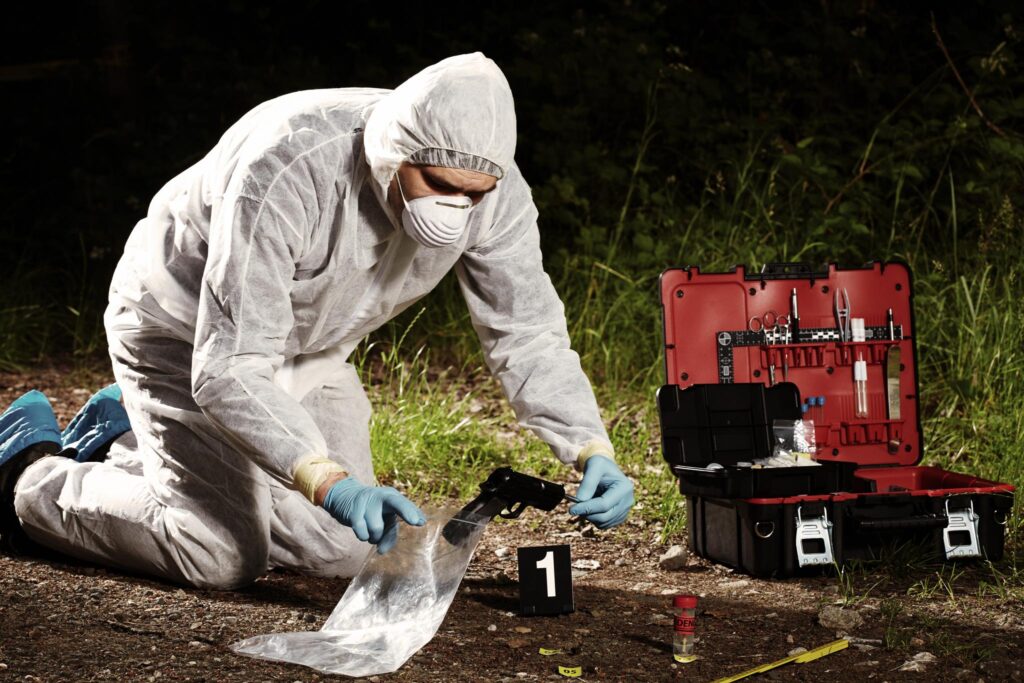
Modern forensic science is powerful, but its limitations matter more than ever. DNA and forensic evidence can be compelling, but only when it is properly collected, analysed, interpreted and reported. As forensic science becomes increasingly sensitive and complex, the risks of overstatement, misinterpretation, and evidential overreach increase. Below are the top five forensic DNA issues…
Read MoreWhat is an Independent Forensic Review, and Why Defence Lawyers Need One
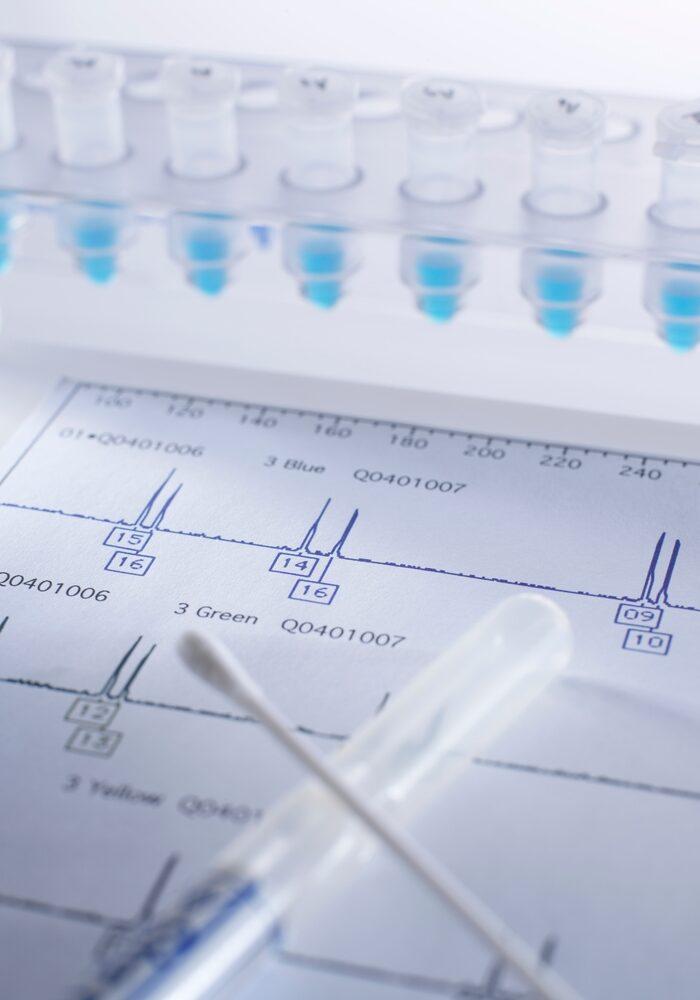
When the Science Needs a Second Opinion Forensic evidence can appear definitive — especially when it comes in the form of a laboratory report from a State forensic service provider. Published studies have indicated that juries and judges perceive reports from State Services providers as highly reliable, even when the content contained in the report…
Read MoreClient charged with sexual assault? How to challenge the evidence
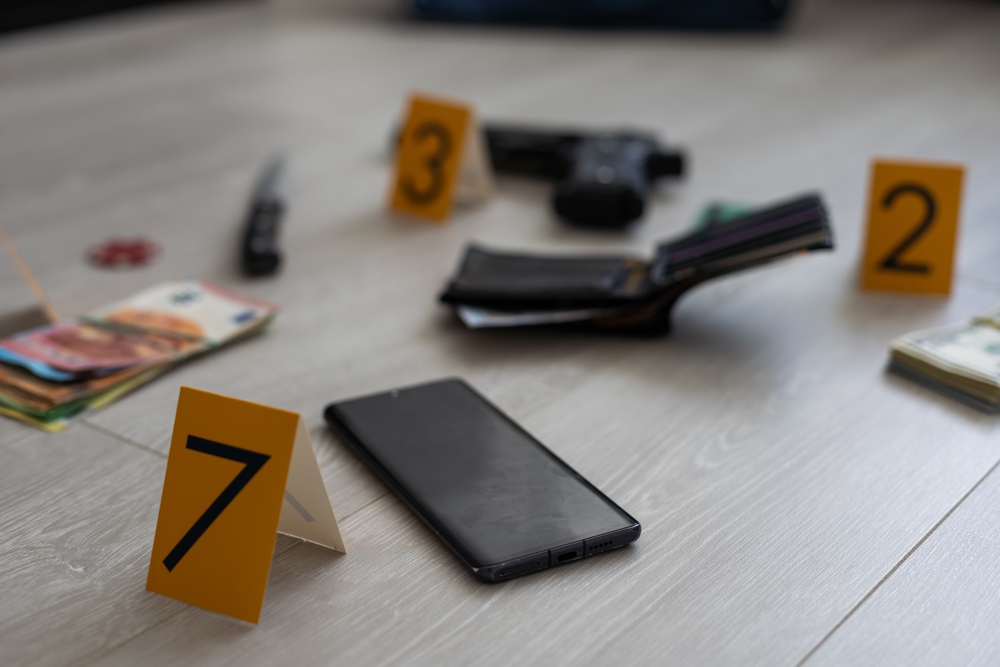
Understanding the Limitations of DNA Evidence in Sexual Assault Cases Sexual assault evidence is often very complex, yet the way we see it reported by Government Service providers is very factual and often does not disclose the limitations of the evidence. This lack of disclosure may present the evidence in a misleading manner, which means…
Read MoreWhat Your DNA Report Doesn’t Tell You
And things you need to find out
Read MoreUnderstanding the Role of Forensic Services in Modern Investigations

Forensic services play a crucial role in the modern criminal justice system, helping to uncover the truth and bring justice to victims. At Independent Forensic Services, we specialise in a comprehensive range of forensic solutions designed to support law enforcement, legal professionals, and private clients. In this inaugural blog post, we’ll delve into the importance…
Read MoreScientific studies have now demonstrated DNA transfer by dogs and cats

Animals as DNA Reservoirs and Vectors of DNA Transfer The results of these scientific studies indicate that animals can act as reservoirs of human DNA and vectors for human DNA transfer that may need to be considered during evaluative DNA reporting. Furthermore, if an interaction between an animal and a perpetrator is suspected, consideration should…
Read MoreDNA Falsehoods
False Information About DNA Transfer Being Provided to Lawyers DNA Experts have been providing information to lawyers about trace transfer that is outright false. Concerning Trends in DNA Transfer Misinterpretation As recently as last week, I was involved in a matter where the Government DNA expert told a barrister in a pre-trial conference that the…
Read MoreA successful motion to exclude DNA evidence analysed outside laboratory protocol.
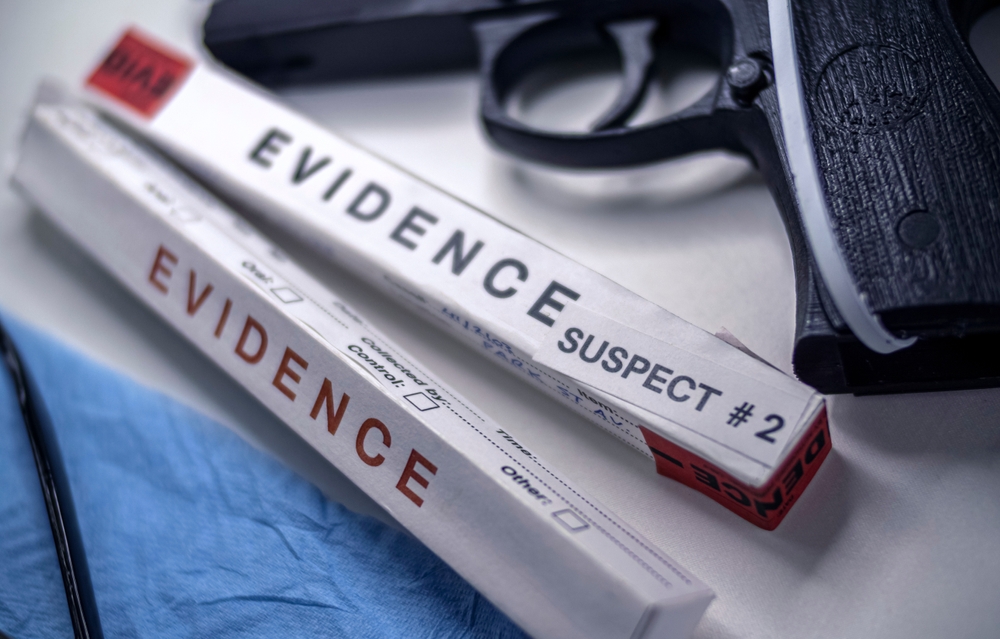
Case Background A DNA sample was collected from a firearm seized in a vehicle stop for the purposes of DNA testing. A mixed DNA profile was obtained from the DNA analysis process. STRmix was used to deconvolute and statistically evaluate the DNA profile. The analysis of this DNA profile was subject to a motion to…
Read MoreThe Uncertainty Surrounding Saliva Testing
Forensic testing for the presence of saliva is by far the most problematic of the forensic tests available. Understanding Saliva Testing in Forensic Investigations Have you ever seen the following in a forensic statement or report? “Possible saliva was detected” “A test for amylase was positive” This means only a presumptive or screening test has…
Read MoreComplexities of Biological Testing in Sexual Assault Matters

Biological Fluid Testing in Sexual Assault Matters Biological fluid testing in sexual assault matters is often not as black and white as lawyers would like. In the last of this series on testing for biological fluids, we are covering the detection of semen. Understanding Presumptive Tests for Semen Have you ever seen the following in…
Read MoreBlood or not blood? That is the question.
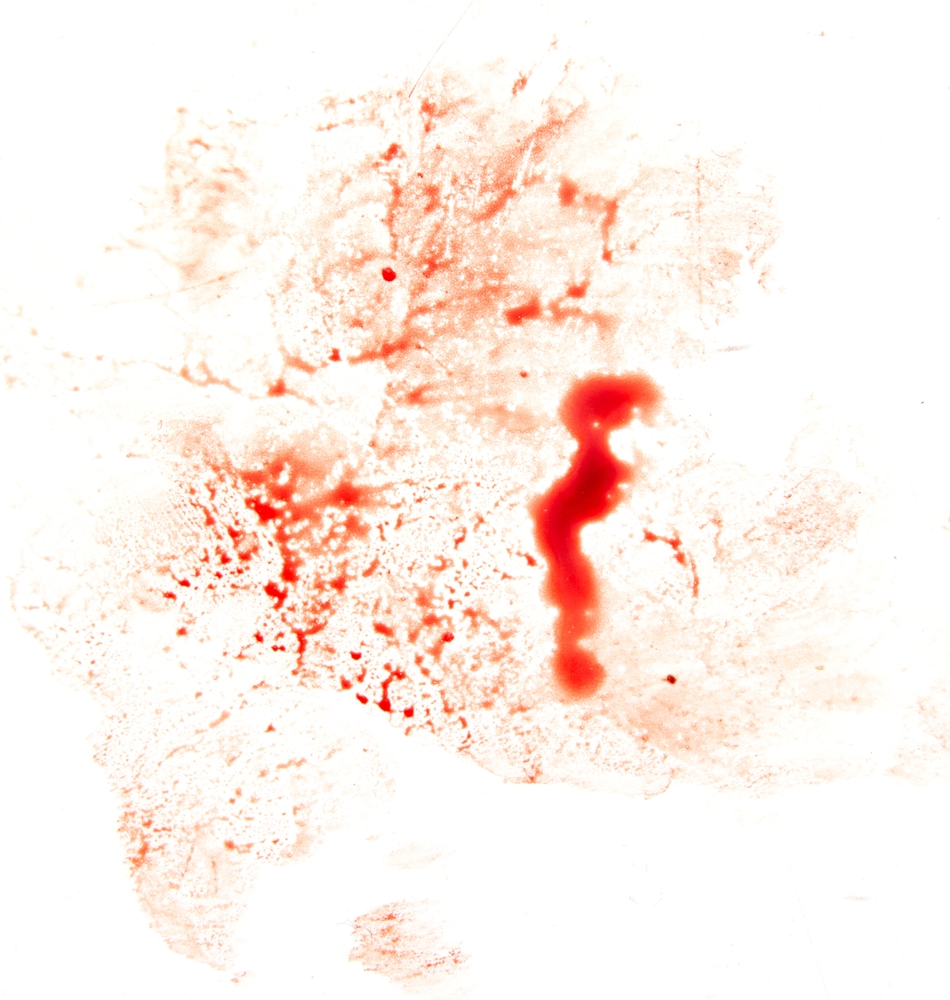
Is the Failure to Disclose the Limitations of Forensic Testing Giving Rise to Misleading Evidence? Understanding Presumptive Blood Tests Have you ever seen the following in a forensic statement or report? “A presumptive test for the presence of blood was positive” “Apparent blood was detected”? This means only a presumptive or screening test has been…
Read MoreThe Simple Mistake Lawyers Make with DNA Evidence

Introducing the “Prosecutor’s Fallacy”: The Simple Mistake Lawyers (and the Media) Commonly Make When ‘Interpreting’ DNA Results Can You Identify the Issue in This Statement? “It is 100 million times more likely if Mr X is a contributor to the DNA profile than if another unknown individual from the Australian population is.” This is an…
Read MoreDeciphering common terms in DNA reports, and what they mean
What Does It All Mean? Deciphering the Scientific Gibberish to Get the Answers You Need – Did They, or Did They Not Contribute DNA?! Quick Summary DNA testing is not an exact science—while your job (and ours) would be a lot easier with DNA reports that provided a simple yes or no as to whether…
Read MoreTop 5 Tips: Preparing to Cross Examine an Expert Witness (Part 1).

Top 5 Tips: Preparing to Cross-Examine an Expert Witness (Part 1) DNA is very persuasive to juries. It is often erroneously considered an absolute science, from juries, lawyers and even judges. But DNA evidence is easily misunderstood, often has undue weight placed on it, and often comes with undisclosed limitations. It is imperative lawyers understand…
Read MoreTop 5 Tips: Questioning an Expert Witness (Part 2)
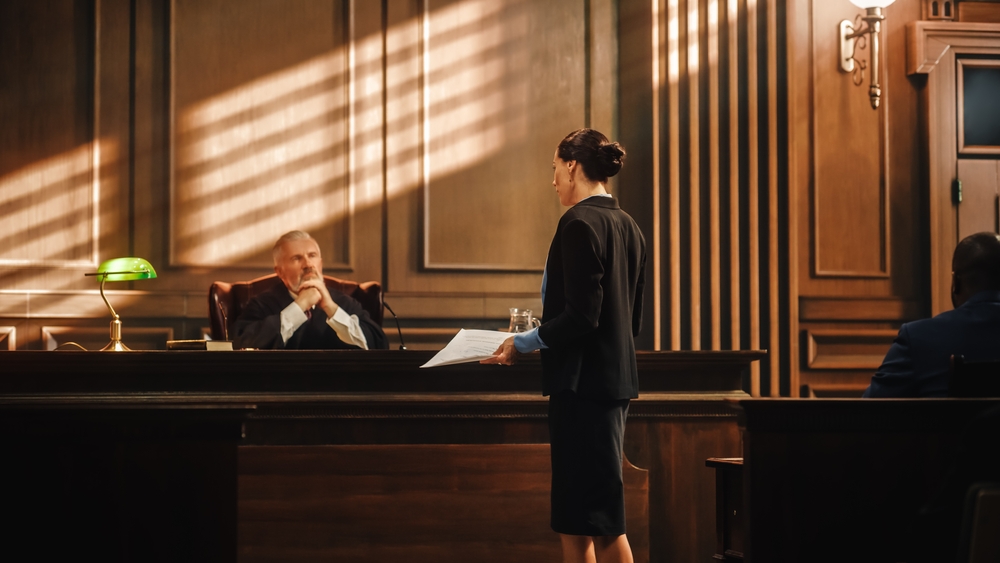
Summary DNA evidence is highly persuasive; however, it is common for the limitations of the science not to be disclosed in the courtroom, resulting in undue weight being placed on the evidence or even miscarriages of justice. DNA evidence is a science, and as such, there should be a scientific explanation for every comment coming…
Read MoreLawyers: Forensic light sources are always a screening tool and never evidence.
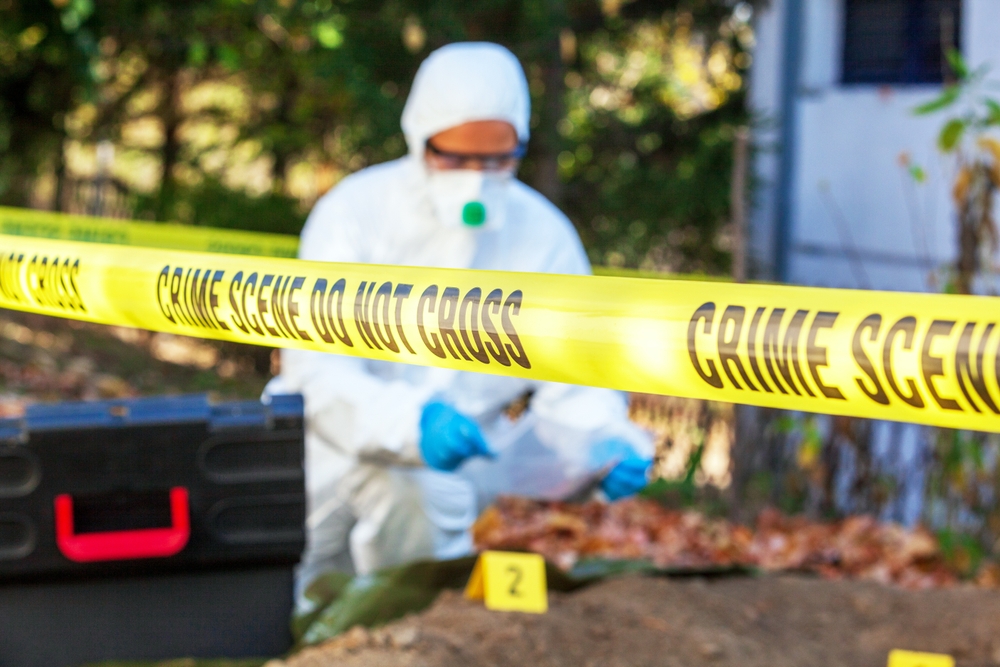
Key Takeaways: Hollywood Has a Lot to Answer For Hollywood has contributed to the widespread belief that forensic light sources used at crime scenes are infallible tools for identifying biological fluids. Unfortunately, this belief has taken hold even in modern courtrooms, where statements like the below are becoming more frequent: “I conducted an examination of…
Read More