

Introducing the “Prosecutor’s Fallacy”: The Simple Mistake Lawyers (and the Media) Commonly Make When ‘Interpreting’ DNA Results
Can You Identify the Issue in This Statement?
“It is 100 million times more likely if Mr X is a contributor to the DNA profile than if another unknown individual from the Australian population is.”
This is an example of what is known as the Prosecutor’s Fallacy, also known as transposing the conditional—a logical error that occurs when DNA evidence is misinterpreted.
Understanding the Prosecutor’s Fallacy
The Prosecutor’s Fallacy leads to misunderstandings about the statistical relevance of information and has led to a number of high-profile convictions throughout the world that have since been overturned, including R v Keir (NSW Court of Criminal Appeal, 2002).
To an untrained ear, the above statement suggests overwhelming odds that Mr X is guilty. This may not be correct, as there are a myriad of ways the DNA may have been contributed that have nothing to do with the case, and which are not taken into consideration within the above statement.
The scientifically correct wording for this evidence is:
“The DNA profile is 100 million times more likely if Mr X is a contributor to the DNA profile than if another unknown individual from the Australian population is.”
Why Does This Happen?
The problem stems from the abbreviated reports provided to the courts, which do not fully explain the evidence, as well as the confusing statistical language being used in court. This is essentially a miscommunication of evidence from either expert witnesses (who assume a certain level of scientific understanding) or the prosecution (who misinterpret the DNA evidence due to lack of statistical training).
As biologists, we are always evaluating the probability of the evidence and not the probability that the individual is the source or has contributed to the DNA sample.
Scientifically, it is a matter of confusion between two conditional probabilities:
- The probability of the evidence (the DNA profile) given the propositions
- The probability of the propositions given the evidence (the DNA profile)
However, at its core, it is a human error of miscommunication.
How Do You Avoid the Prosecutor’s Fallacy?
Unfortunately, there is no easy way to avoid the Prosecutor’s Fallacy, as DNA reports are bound by the usage of strict scientific language.
Ultimately, the quality of your interpretation rests on the clarity of communication from your expert witness. Judges, juries, and lawyers are not trained in statistical interpretation. The chances of misunderstanding are high, and therefore the possibility of a miscarriage of justice is unacceptable.
There is no true way to avoid the Prosecutor’s Fallacy outside of using an Expert Witness who is a clear communicator as well as a skilled forensic analyst.
If a case you are involved with is utilising DNA reports and you have struggled to interpret the difference in language in the example above, please reach out for a confidential discussion.
Ready to Strengthen Your Defence?
Independent Forensic Services is led by Principal Forensic Scientist Jae Gerhard. With over 20 years of experience from crime scene to court, Jae is a highly experienced expert witness who offers unbiased, evidence-based, and easy-to-understand forensic opinion.
Author Bio
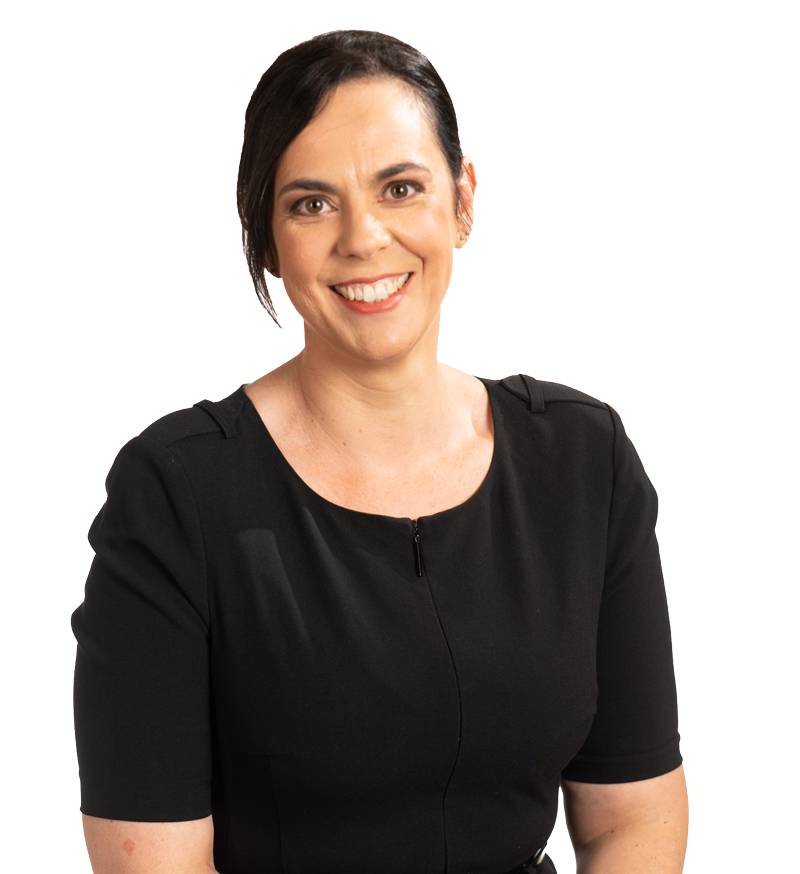
Jae Gerhard is a Forensic DNA Expert and the Principal Forensic Scientist at Independent Forensic Services, bringing over two decades of frontline experience in forensic biology.
Specialising in DNA analysis, STRmix™, biological fluid examination, and bloodstain pattern interpretation, Jae now works independently with criminal defence teams to review and challenge forensic evidence. Her mission is simple: to ensure the science presented in court is accurate, balanced, and truly understood.
DNA Expert Witness Testimony
We’re passionate about ensuring forensic biology and DNA evidence is presented to the courts in an impartial, yet comprehensive manner, and that potentially misleading evidence isn’t relied upon. We also want our clients to understand the strengths and limitations of forensic evidence in their cases.
Independent
As an independent forensic service provider, we offer unbiased and impartial analysis. Our independence guarantees that our findings are based solely on scientific evidence, free from external influences. This objectivity is crucial in ensuring the credibility and reliability of our forensic reports.
Confidential
We understand the sensitive nature of forensic investigations. Confidentiality is a cornerstone of our services. We handle all cases with the highest level of discretion, ensuring that your privacy and the integrity of the investigation are maintained at all times.
Trusted
Integrity is at the heart of everything we do. We are committed to ethical practices and uphold the highest standards of honesty and transparency in all our investigations. You can trust that our findings are accurate, thoroughly vetted, and presented with complete integrity.
Professional
Our team adheres to the highest standards in forensic science, ensuring that every case is handled with the utmost care and precision. We strive for excellence in all our services, providing reliable and accurate forensic analysis.
Highly Experienced
Our team comprises forensic experts with extensive experience across various forensic disciplines. With years of practical experience and advanced training, our professionals bring a wealth of knowledge to each investigation. This expertise ensures that we deliver top-tier forensic solutions tailored to your specific needs.
Approachable
We work closely with you, offering guidance and support throughout the investigation, ensuring you feel confident and informed. Our team is approachable and dedicated to making the forensic process understandable and straightforward.
Get Started
Choosing Independent Forensic Services means partnering with a team that values professionalism, experience, approachability, independence, confidentiality, and integrity. Trust us to provide the forensic expertise you need to achieve justice.
How We Can Help You
With Independent Forensic Services, you gain access to a team of experts.


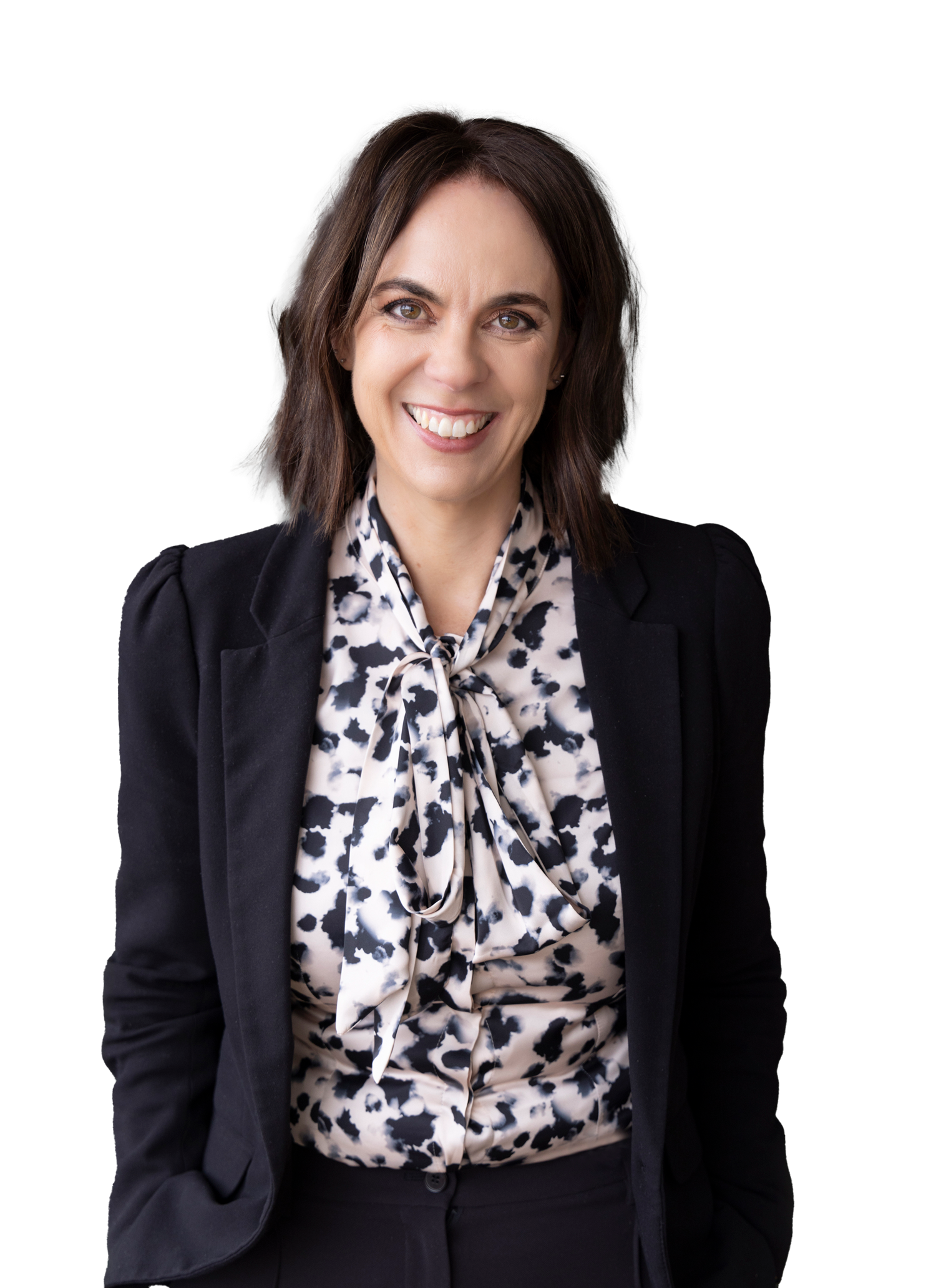
An Expert Team Lead by Jae Gerhard
Jae Gerhard is a Forensic DNA Expert and the Principal Forensic Scientist at Independent Forensic Services, bringing over two decades of frontline experience in forensic biology. She has worked on some of Australia’s most complex and high‑profile cases with the Australian Federal Police and New South Wales Police, including the Special Commission of Inquiry into LGBTIQ Hate Crimes, National Crime Authority bombing, Claremont serial killer case, Lin Family murders, murder of Michelle Beets as well as international disaster victim identification operations such as the 2002 Bali Bombing, 2003 Australian Embassy bombing and 2004 Asian tsunami.
Specialising in DNA analysis, STRmix™, biological fluid examination, and bloodstain pattern interpretation, Jae now works independently with criminal defence teams to review and challenge forensic evidence. Her mission is simple: to ensure the science presented in court is accurate, balanced, and truly understood.