
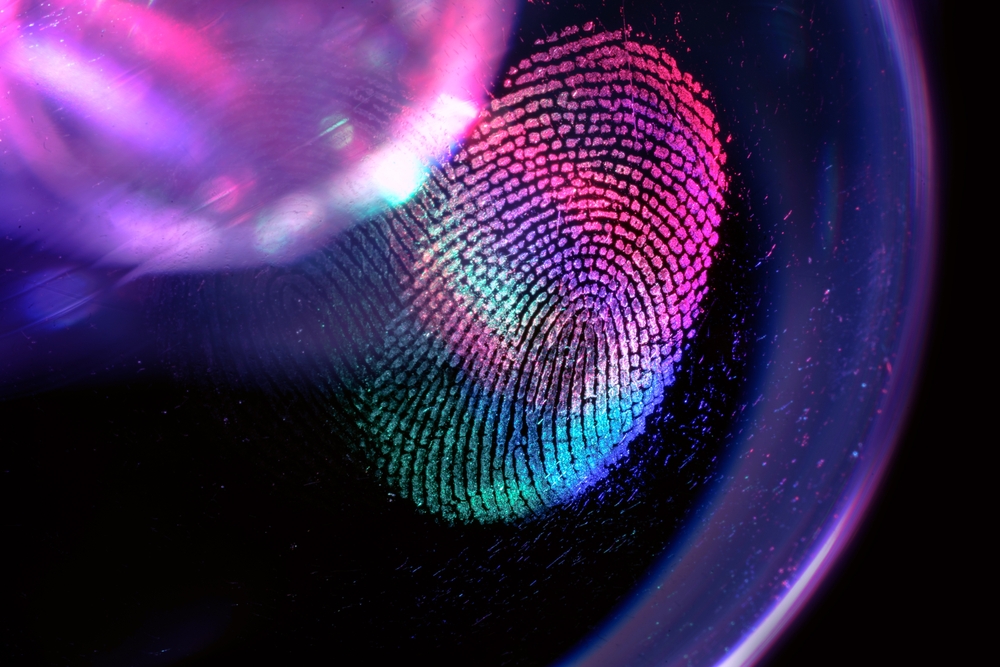
In the ever-evolving field of forensic science, a recent breakthrough has shed light on the potential of microbial fingerprints in solving crimes. Researchers have discovered that the unique microbial communities present on our clothing can serve as an additional layer of evidence in forensic investigations. This discovery has the potential to revolutionise how forensic scientists approach crime scene evidence, offering new methods to link suspects to criminal activities.
The Science Behind Microbial Fingerprints
Every individual carries a unique set of microbes on their skin, and these microbes are transferred to clothing and other objects they come into contact with. Recent studies have demonstrated that these microbial signatures can be used to identify individuals even after extended periods. For example, a study involving worn and unworn T-shirts revealed that the microbial communities remained distinct and recognisable for up to six months. This persistence of microbial fingerprints makes them a valuable tool for forensic scientists looking to establish connections between suspects and crime scenes (PhysOrg) (PhysOrg).
Applications in Forensic Investigations
The application of microbial fingerprints in forensic investigations is multi-faceted. Here are some key areas where this technology can make a significant impact:
- Identification of Suspects: By analysing the microbial communities on clothing or objects found at a crime scene, forensic scientists can potentially identify or exclude suspects with a high degree of accuracy.
- Crime Scene Reconstruction: Microbial fingerprints can help reconstruct the sequence of events at a crime scene. For instance, they can provide clues about who came into contact with specific items and when those contacts occurred.
- Cold Cases: The stability of microbial fingerprints over time means that they can be used to revisit and potentially solve cold cases where other types of evidence may have degraded.
Challenges and Future Directions
While the potential of microbial fingerprints is immense, there are challenges that need to be addressed. One major challenge is the standardisation of methods for collecting and analysing microbial evidence. Additionally, more research is needed to understand the factors that affect the transfer and persistence of microbial communities on different materials.
Looking ahead, advancements in sequencing technologies and bioinformatics will likely enhance the accuracy and usability of microbial fingerprints in forensic science. Collaborative efforts among researchers, forensic scientists, and law enforcement agencies will be crucial in integrating this new form of evidence into routine forensic practice (Forensic Mag).
Conclusion
The discovery of microbial fingerprints opens up exciting new possibilities for forensic science. As research in this field progresses, microbial fingerprints could become a standard tool in the forensic toolkit, providing valuable evidence that complements traditional methods. At Independent Forensic Services, we are committed to staying at the forefront of such innovations, ensuring that we continue to offer cutting-edge forensic solutions to support the pursuit of justice.
Author Bio
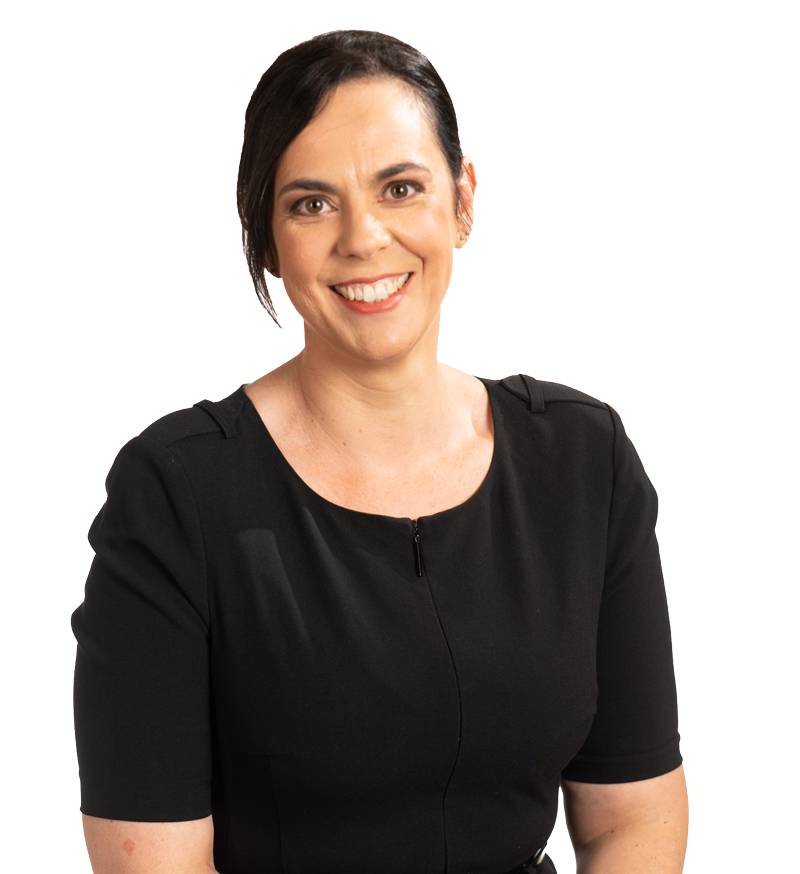
Jae Gerhard is a Forensic DNA Expert and the Principal Forensic Scientist at Independent Forensic Services, bringing over two decades of frontline experience in forensic biology.
Specialising in DNA analysis, STRmix™, biological fluid examination, and bloodstain pattern interpretation, Jae now works independently with criminal defence teams to review and challenge forensic evidence. Her mission is simple: to ensure the science presented in court is accurate, balanced, and truly understood.
DNA Expert Witness Testimony
We’re passionate about ensuring forensic biology and DNA evidence is presented to the courts in an impartial, yet comprehensive manner, and that potentially misleading evidence isn’t relied upon. We also want our clients to understand the strengths and limitations of forensic evidence in their cases.
Independent
As an independent forensic service provider, we offer unbiased and impartial analysis. Our independence guarantees that our findings are based solely on scientific evidence, free from external influences. This objectivity is crucial in ensuring the credibility and reliability of our forensic reports.
Confidential
We understand the sensitive nature of forensic investigations. Confidentiality is a cornerstone of our services. We handle all cases with the highest level of discretion, ensuring that your privacy and the integrity of the investigation are maintained at all times.
Trusted
Integrity is at the heart of everything we do. We are committed to ethical practices and uphold the highest standards of honesty and transparency in all our investigations. You can trust that our findings are accurate, thoroughly vetted, and presented with complete integrity.
Professional
Our team adheres to the highest standards in forensic science, ensuring that every case is handled with the utmost care and precision. We strive for excellence in all our services, providing reliable and accurate forensic analysis.
Highly Experienced
Our team comprises forensic experts with extensive experience across various forensic disciplines. With years of practical experience and advanced training, our professionals bring a wealth of knowledge to each investigation. This expertise ensures that we deliver top-tier forensic solutions tailored to your specific needs.
Approachable
We work closely with you, offering guidance and support throughout the investigation, ensuring you feel confident and informed. Our team is approachable and dedicated to making the forensic process understandable and straightforward.
Get Started
Choosing Independent Forensic Services means partnering with a team that values professionalism, experience, approachability, independence, confidentiality, and integrity. Trust us to provide the forensic expertise you need to achieve justice.
How We Can Help You
With Independent Forensic Services, you gain access to a team of experts.


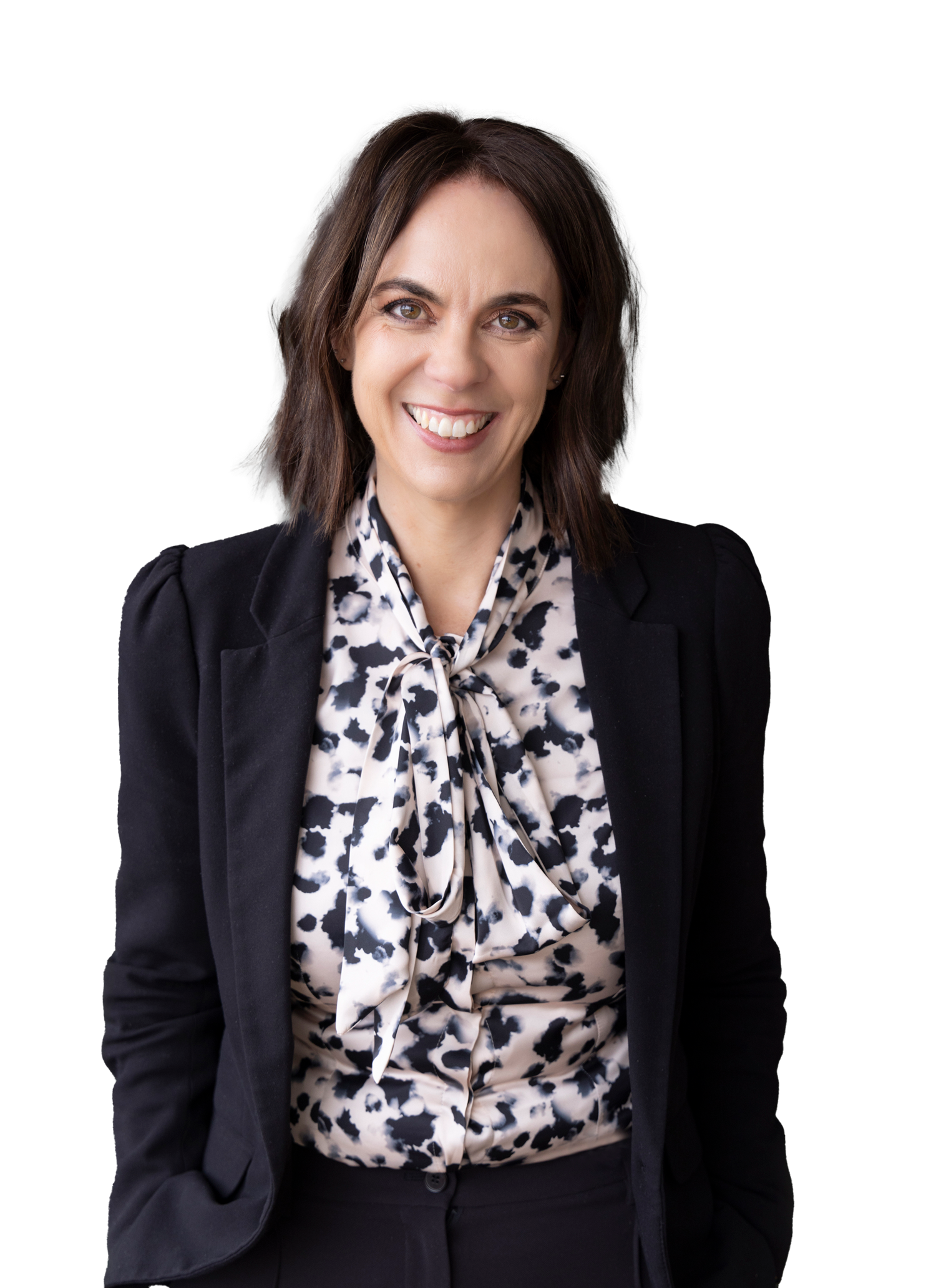
An Expert Team Lead by Jae Gerhard
Jae Gerhard is a Forensic DNA Expert and the Principal Forensic Scientist at Independent Forensic Services, bringing over two decades of frontline experience in forensic biology. She has worked on some of Australia’s most complex and high‑profile cases with the Australian Federal Police and New South Wales Police, including the Special Commission of Inquiry into LGBTIQ Hate Crimes, National Crime Authority bombing, Claremont serial killer case, Lin Family murders, murder of Michelle Beets as well as international disaster victim identification operations such as the 2002 Bali Bombing, 2003 Australian Embassy bombing and 2004 Asian tsunami.
Specialising in DNA analysis, STRmix™, biological fluid examination, and bloodstain pattern interpretation, Jae now works independently with criminal defence teams to review and challenge forensic evidence. Her mission is simple: to ensure the science presented in court is accurate, balanced, and truly understood.